
A fresh coat of paint can make a condo feel completely different, but booking painters before checking building rules can create an avoidable problem. Do condos require painting approval? Often, no formal approval is needed for painting inside your own unit, but many condo corporations, HOAs, and property managers still require notice, contractor paperwork, approved work hours, or elevator reservations.
The answer comes down to what is being painted, how the work will be completed, and the rules in your specific building. A reliable painting contractor can handle the preparation and finishing properly, but the unit owner is usually responsible for confirming building requirements before work begins.
When Condo Painting Usually Does Not Need Approval
Most interior painting projects are considered cosmetic work. If you are repainting bedroom walls, ceilings, trim, doors, or cabinets within your unit, the building may not require a formal alteration application. This is especially true when the project does not involve changes to plumbing, electrical systems, ventilation, walls, flooring, or common elements.
That said, “no approval” does not always mean “no communication.” Your building may still ask residents to notify management before contractors arrive. This helps the concierge, property manager, or superintendent plan for elevator use, loading access, parking, and building security.
A simple repaint is also less likely to need review when it stays within the unit and uses standard low-odor interior products. Even then, it is worth checking the resident handbook or contacting management directly. Rules can differ between buildings, including buildings managed by the same company.
Do Condos Require Painting Approval for Larger Projects?
Painting can become part of a larger renovation, and that is where approval is more likely. If the project includes drywall repair after water damage, popcorn ceiling removal, wall removal, new lighting, or work that may affect a shared building system, the condo board may require documents before work starts.
For example, repairing a small nail hole before painting may be routine. Repairing a large ceiling opening caused by a leak is different. The building may need to confirm that the leak has been resolved, inspect for moisture, or verify responsibility for the repair before the surface is closed and painted.
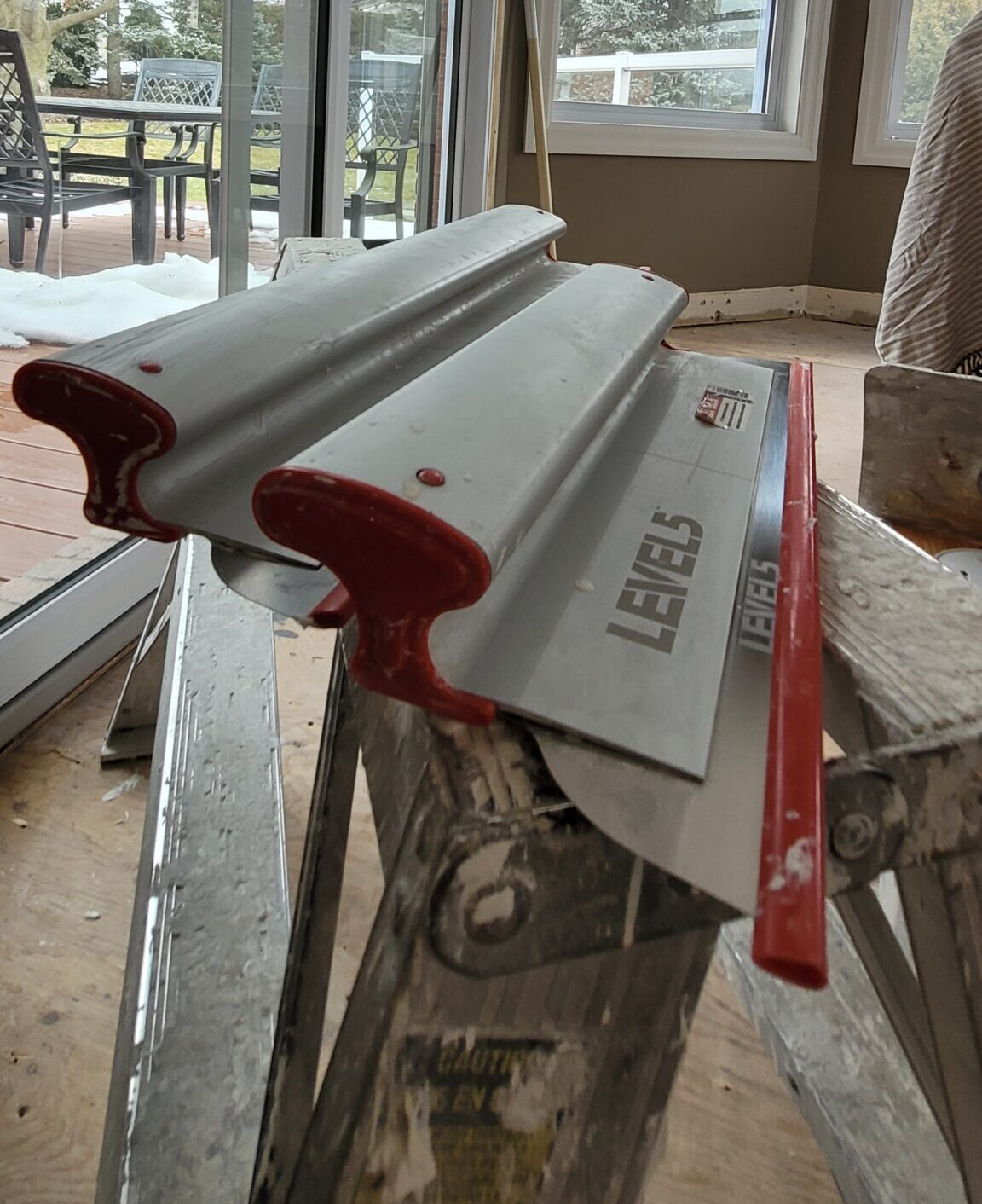
Popcorn ceiling removal can also require additional discussion. Some buildings have rules about dust control, work hours, debris removal, and testing older finishes before disturbance. A professional contractor should protect floors, furniture, hallways, and ventilation areas, but building management may still want to know the scope of work in advance.
Approval is also more common when contractors need access to common areas. A painting crew may need to use a service elevator, reserve a loading space, bring materials through a designated entrance, or remove debris through a specific route. These are normal building procedures, not necessarily a sign that the painting project has been denied or delayed.
Check These Building Requirements Before Booking Painters
A quick call or email to your property manager can prevent a last-minute cancellation. Ask whether interior painting requires approval, notice, or a work permit. Then ask what documents the contractor must provide and whether the building has restricted work hours.
Many condo buildings request some combination of proof of insurance, workers’ compensation coverage, a certificate of insurance naming the condo corporation, and a description of the work. Some require a refundable elevator deposit or a booking fee for service elevator use. Others have strict rules against moving materials through the main lobby.
It is also smart to ask about noise restrictions. Painting itself is usually quiet, but drywall repairs, sanding, surface scraping, and popcorn ceiling removal can create noise and dust. A building may allow this work only on weekdays during set daytime hours.
If you rent out the unit, confirm who is responsible for providing notice. In many buildings, the owner must communicate with management even when the tenant schedules and pays for the painting. Landlords should also ensure the work meets the building’s rules and that the unit is accessible on the scheduled date.
What a Painting Contractor Needs From You
The easiest projects are the ones planned before the crew arrives. Once you have reviewed the condo requirements, share the building rules with your painter during the estimate or before the job is booked. This allows the contractor to plan the right crew size, arrival time, equipment, and protection for the space.
Tell the contractor whether a service elevator must be reserved, whether parking is limited, and if materials must be carried through a particular entrance. If management requires insurance paperwork, request it early. Waiting until the day before the project can push the start date back.
You should also mention known issues with the walls or ceilings. Water stains, cracks, peeling paint, damaged drywall, and previous patchwork should be assessed before a final paint color is chosen. Good paint can improve a room, but it cannot hide a failed repair, loose drywall tape, or an active moisture problem.
An experienced crew will prepare surfaces properly by protecting the work area, repairing damage, sanding patches smooth, priming where needed, and cleaning up at the end of the job. That preparation matters in condos, where tight spaces and shared hallways leave little room for mess or delays.
Painting Common Areas Is Different
Your rights inside the unit do not usually extend to common elements. Hallways, building corridors, balconies, exterior-facing doors, windows, and shared amenities are typically controlled by the condo corporation or HOA. You should not paint, alter, or install finishes in those areas without written permission.
The same can apply to your unit’s front door. Even though the door serves your condo, the hallway-facing side may need to remain a specific color to maintain a consistent building appearance. Some buildings permit painting the interior side only. Others require a matching finish, specific hardware, or management approval for any change.
Balconies deserve special attention. Painting a balcony surface, railing, or exterior wall can affect waterproofing, appearance, and maintenance responsibilities. Treat exterior or semi-exterior work as a project that needs written confirmation first.
How to Avoid Delays and Complaints
Clear communication is the best protection against a difficult condo painting project. Let management know when the work is scheduled, reserve the elevator if required, and make sure the crew follows the building’s entry and work-hour rules. It also helps to notify nearby tenants when noisy drywall repairs or ceiling work are planned.
Choose a contractor who respects occupied homes and shared properties. Clean work practices, careful floor protection, dust containment, and timely cleanup reduce the chance of complaints from neighbors or management. Fast work is valuable, but rushed surface preparation can lead to visible flaws and paint that does not last.
For owners preparing a unit for sale or a new tenant, schedule painting with enough time before move-in, photography, or listing appointments. Condos often have elevator booking limits, and a busy building can make short-notice access difficult. Planning ahead protects both your timeline and the final result.
A Practical Way to Move Forward
Before scheduling your project, contact your property manager and ask for the building’s renovation or contractor policy. Confirm whether you need approval, notice, insurance documents, service elevator access, or a deposit. Then provide those details to your painting contractor so the work can be planned correctly from the start.
For condo owners in Toronto and the GTA, Maximum Services has been helping residents restore walls, ceilings, and interiors since 2001. Whether the job involves a simple refresh, drywall repairs, or popcorn ceiling removal, proper preparation and respect for building rules help keep the project clean, on time, and stress-free.
A well-painted condo should feel like an improvement from the moment the crew leaves, not the start of a discussion with property management. Confirm the rules early, hire professionals who protect the space, and give the project the time it needs to be completed properly.
No responses yet