
A repaired wall should not draw attention to itself. The patch should sit flat, the texture should blend in, and the paint should look consistent from one end of the room to the other. That is the standard homeowners should expect from drywall contractors, whether the job involves a small dent, water damage, a ceiling crack, or a full room refresh.
For homeowners, condo residents, and landlords, drywall work is rarely just about covering a hole. It is about restoring the condition of the space without creating a bigger disruption. The right contractor protects floors and furniture, controls dust, completes the repair properly, and leaves the area ready for painting.
What Good Drywall Contractors Actually Do
Drywall repair can look simple from a distance, but a lasting finish depends on what happens before the final coat of paint. A professional contractor starts by looking at the cause and condition of the damage. A door-handle hole, for example, is handled differently than a crack caused by movement, a damaged corner, or a stain from an old plumbing leak.
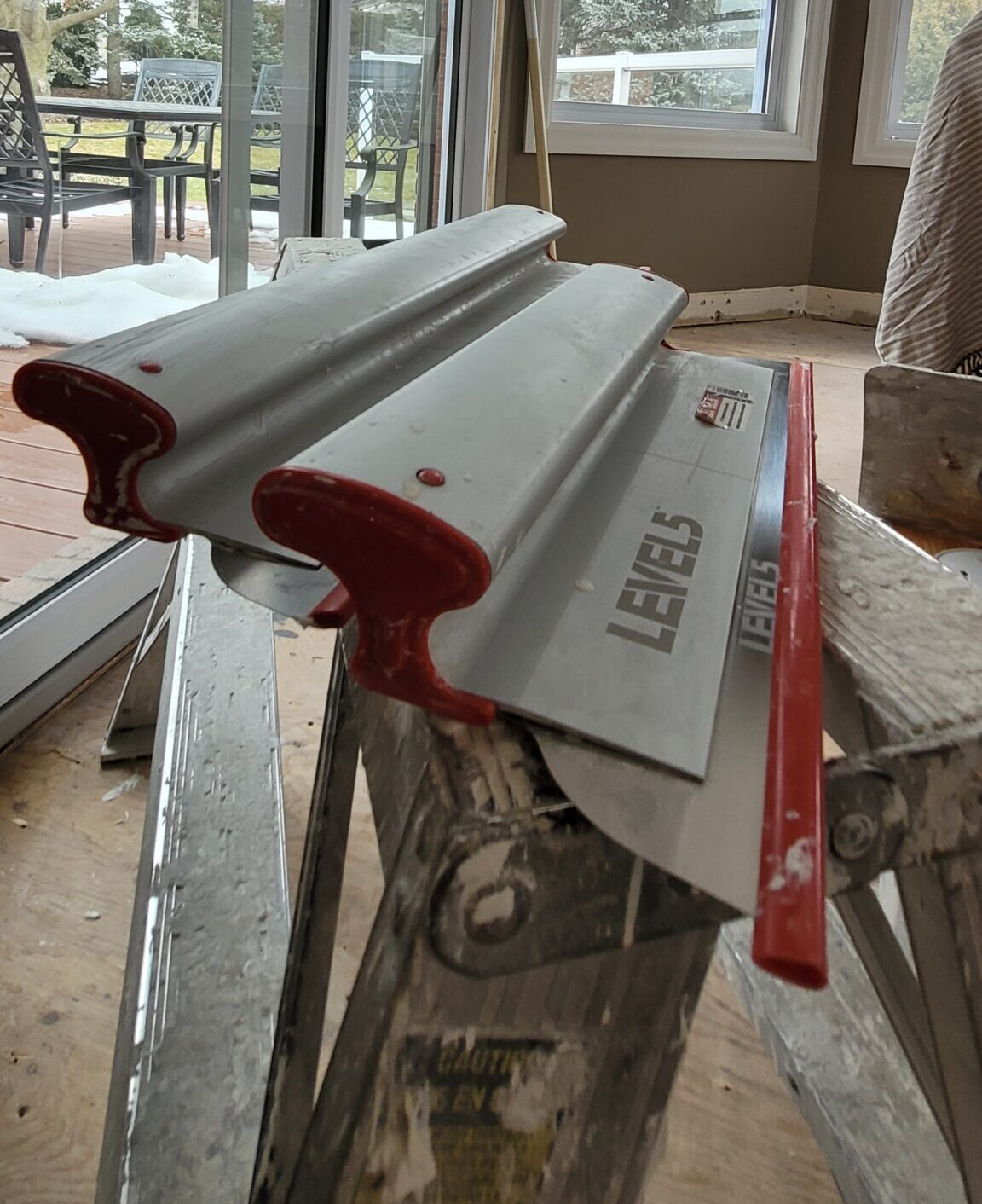
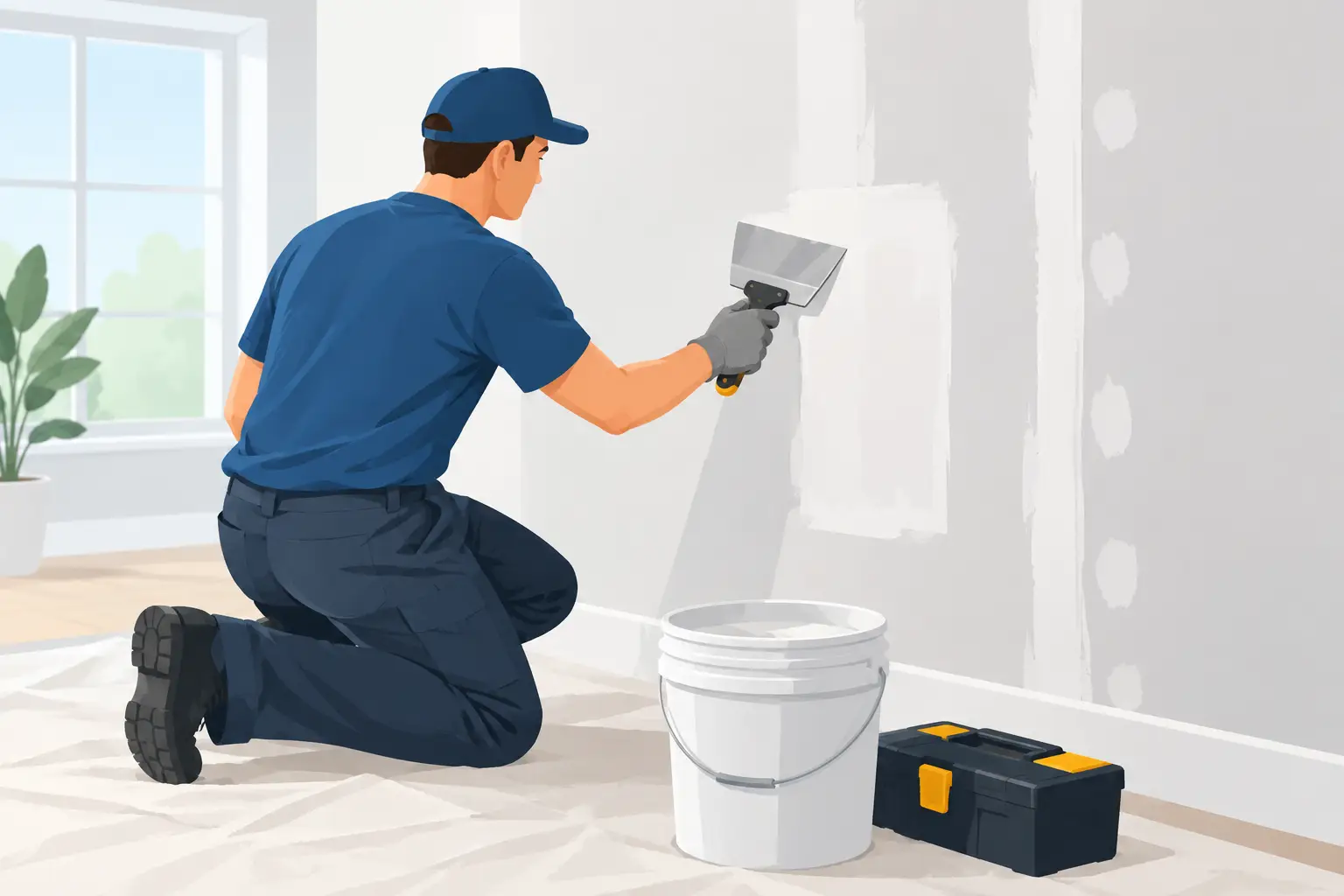
The repair process may include removing loose material, securing the drywall, adding backing where needed, applying joint compound in thin coats, sanding the surface, and matching the surrounding texture. Each step affects the final appearance. Rushing the drying or sanding stages can leave visible ridges, uneven edges, or a patch that becomes obvious as soon as light hits the wall.
Ceilings require the same level of care. Ceiling repairs are particularly noticeable because overhead lighting can reveal every imperfection. If a home has popcorn ceilings, the work may also involve careful removal, smoothing, repair, and preparation for a modern painted finish.
A quality drywall contractor does not treat painting as an afterthought. Proper priming and paint application help the repaired area blend with the rest of the wall. In many cases, painting the entire wall or ceiling produces a more consistent result than touching up one small area, especially when the existing paint has faded or the original color is unknown.
Signs You Need a Professional Drywall Repair
Small cosmetic issues can quickly make an otherwise well-kept room look neglected. Nail pops, scuffs, dents, damaged corners, cracks around doors, and holes left after moving shelves or televisions are common reasons to call for service. These problems are especially noticeable when preparing a property for sale, welcoming new tenants, or refreshing a condo before move-in.
Water stains and soft drywall deserve prompt attention. The moisture source should be fixed before cosmetic work begins. Once the area is dry and stable, damaged material can be removed and replaced so stains, bubbling paper, and weak sections do not return.
Cracks also deserve an experienced assessment. Some are minor surface cracks from normal settling, while others may be connected to movement, previous poor repairs, or moisture. The correct repair depends on the location, the size of the crack, and whether it continues to change. A contractor should explain what they see and recommend a practical repair rather than applying a quick surface patch without addressing the condition underneath.
The Difference Is in the Preparation
The final coat of paint gets the attention, but preparation is where quality is won or lost. Drywall compound needs enough time to dry between coats. Sanding needs to be controlled so the wall becomes smooth without damaging the surrounding surface. Primer needs to be applied when repairs are complete so the patched areas do not flash through the paint with a different sheen.
Cleanliness matters just as much. Drywall sanding creates fine dust that can spread through a room if the area is not properly contained. Reliable contractors protect flooring, cover nearby furniture, and clean up at the end of the job. This is not a bonus service. It is part of doing interior work responsibly in an occupied home.
For condo owners, preparation can also mean working within building rules. Elevator bookings, parking restrictions, approved work hours, and debris disposal requirements can affect the schedule. A contractor familiar with residential interior work should be able to plan around these details and help keep the project moving without unnecessary delays.
What to Ask Before Hiring a Drywall Contractor
A clear conversation before work begins helps prevent surprises. Start by asking what is included in the quote. The scope should identify the damaged areas, the expected repair method, surface preparation, priming, painting if requested, cleanup, and any work that is excluded.
It is also reasonable to ask how the contractor will handle dust and protect the room. If the repair involves a ceiling, a large wall section, or popcorn ceiling removal, containment and cleanup are especially important. Homeowners should know whether furniture needs to be moved beforehand and how much access the crew will need.
Ask about the finish as well. A smooth wall, orange-peel texture, knockdown texture, and popcorn ceiling each require different techniques. Texture matching is never entirely automatic, particularly in older homes where previous repairs or multiple paint layers may already be present. An experienced contractor will set realistic expectations and work carefully to make the repair blend as closely as possible.
Price matters, but the lowest quote is not always the best value. A low number may leave out priming, painting, cleanup, protection, or necessary repair steps. Compare the scope of work, not just the total. A detailed quote makes it easier to understand what you are paying for and reduces the chance of added costs later.
When Repair, Replacement, or Painting Makes Sense
Not every damaged wall needs full replacement. Small holes, surface damage, popped fasteners, and isolated cracks can often be repaired efficiently. Localized water damage may also be repaired if the moisture issue is resolved and the surrounding drywall remains sound.
Replacement becomes more appropriate when drywall is soft, heavily stained, mold-affected, severely warped, or damaged across a large area. In those cases, patching over weak material can lead to more work later. The right option depends on the condition of the wall, not simply the size of the visible mark.
Painting is often the practical finishing step after a drywall repair. It can restore a room that has accumulated scuffs, uneven touch-ups, faded paint, or marks from everyday use. If several repairs are needed in one space, repainting the room may provide a cleaner and more uniform result than trying to match multiple small touch-ups.
A Reliable Process Makes Home Repairs Easier
The best contractor experience is straightforward: a timely response, a clear quote, a scheduled appointment, careful work, and a clean finished space. Homeowners should not have to chase updates or wonder whether a crew will arrive when promised.
At Maximum Services, the focus is on practical interior repairs and finishing work completed with attention to detail. That means evaluating the damage, preparing surfaces correctly, maintaining a clean work area, and completing the job with a finish that improves the look of the room.
If damaged drywall, ceiling cracks, or outdated textures are affecting the appearance of your home, arrange an assessment before the problem becomes more noticeable. A properly finished repair can make the room feel cared for again – and let the rest of your home take center stage.
No responses yet