
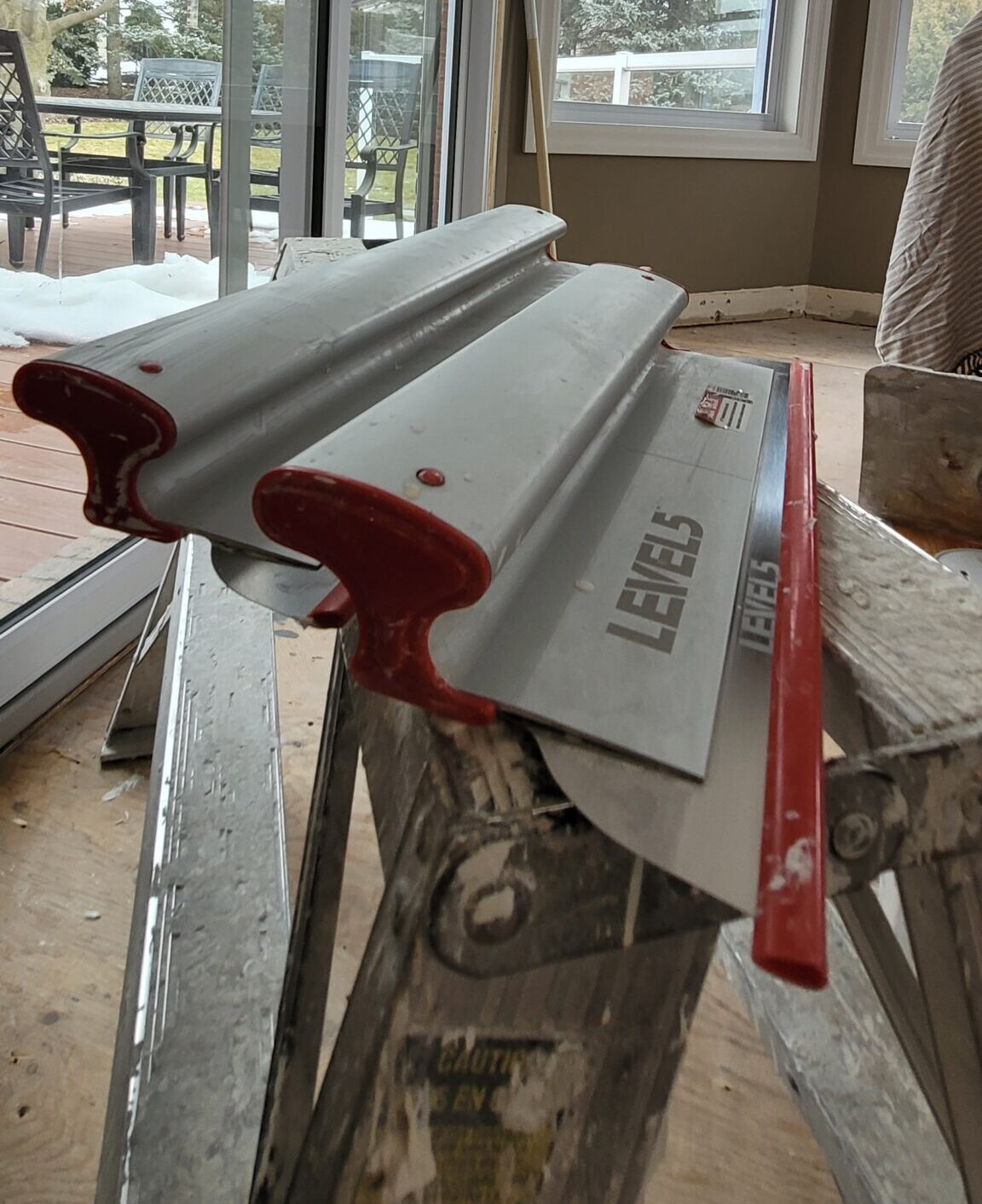

A bad drywall repair stands out every time light hits the wall. You see the seam, the patch flashes through paint, or the texture never quite matches. That is why homeowners asking how to choose drywall repair contractor services are usually not shopping for the cheapest name on a list. They want the repair to disappear, the job site to stay clean, and the work to finish on schedule.
Drywall repair looks simple until it is not. Small dents, stress cracks, water damage, popped screws, corner bead issues, and ceiling patches all require a different level of skill. If the contractor also needs to match texture, prime properly, and prepare the surface for painting, the difference between average work and professional work becomes obvious fast.
Why the right drywall contractor matters
Drywall repair is finish work. That means the final result is judged by what you do not notice. A good contractor leaves a smooth, consistent surface that blends into the rest of the room. A weak contractor may fix the hole but leave behind visible ridges, sanding dust, uneven texture, or patch marks that show through paint.
This matters even more in living rooms, hallways, bedrooms, and condo units where lighting is unforgiving. It also matters when the repair is part of a larger cosmetic update. If you are painting afterward, poor prep can ruin the final look. If the job involves a ceiling, any imperfection tends to draw attention immediately.
How to choose drywall repair contractor services with confidence
Start with experience that matches your actual job. A contractor who handles drywall repair regularly is a better fit than a general handyman who takes on a bit of everything. Drywall finishing has its own standards, and the last 10 percent of the work is usually what separates a clean repair from an obvious patch.
Ask what kind of repair they do most often. Someone who regularly handles wall damage, ceiling repairs, crack repair, skim coating, and prep for painting will usually give you a clearer assessment. They should be able to explain the process in plain terms without making it sound complicated.
You also want to know whether they are used to occupied homes and condos. Working in a lived-in space requires care, clean containment, and respect for schedules. That is not a small detail. A contractor can be technically capable but still create unnecessary disruption if they are not organized on site.
Look for proof, not promises
Most contractors will say they do quality work. What matters is whether they can back that up. Reviews are a good place to start, especially when they mention cleanliness, punctuality, professionalism, and how the finished repair looked after painting.
Before-and-after photos help too, but read them carefully. Look for close-up examples, not just wide room shots. A true drywall repair photo should show how well the damaged area was blended into the existing surface. If every photo is taken from far away, that tells you less.
It is also worth paying attention to how a contractor communicates before the job starts. Do they respond quickly? Do they show up when promised? Do they answer questions clearly? In residential work, reliability often shows up early. If communication is inconsistent during the quote stage, scheduling and follow-through may be inconsistent later as well.
Ask the right questions before hiring
If you are comparing companies, keep the conversation practical. Ask what is included in the repair, whether they will protect floors and furniture, how they handle dust, and whether the area will be ready for paint when they are done.
You should also ask about the expected timeline. Some drywall repairs need more than one visit because compound must dry between coats. A trustworthy contractor will explain that upfront instead of promising a rushed one-day finish on work that realistically needs more time.
For water-damaged drywall, ask whether they see signs that the cause needs to be addressed first. A good contractor will not simply patch over an active problem. If there is moisture, staining, or softness behind the surface, the repair needs to start with the source.
Compare quotes the smart way
Price matters, but drywall quotes can be misleading if you only look at the total. One contractor may include surface prep, multiple coats, sanding, priming, and cleanup. Another may quote a lower number but leave out key steps that affect the final result.
When reviewing estimates, check whether the quote explains the scope clearly. It should identify the repair area, what materials or steps are included, and whether painting is part of the job or separate. If a quote is vague, ask for clarification. Vague pricing often leads to mismatched expectations.
The lowest quote is not always the best value. If a contractor is significantly cheaper than everyone else, there is usually a reason. Sometimes they are cutting corners on prep. Sometimes they are pricing just to get in the door and plan to add costs later. Sometimes they simply do not understand the finish level required.
On the other hand, the highest quote is not automatically the best either. The goal is to find a fair price for careful work, dependable service, and a finish that holds up visually.
Watch for red flags
A few warning signs tend to come up again and again. One is a contractor who cannot explain their process clearly. Another is poor communication, especially missed appointments or long delays in responding. If they are hard to reach before the job, that can become a bigger issue once work begins.
Be cautious if someone pushes for immediate commitment without giving you time to review the quote. You should also be careful with unusually low pricing, cash-only arrangements without documentation, or promises that sound too easy for the condition of the wall or ceiling.
Another red flag is treating drywall repair like rough patching instead of finish work. If the contractor talks only about filling the hole but not blending, sanding, priming, or matching the surrounding surface, the final appearance may be disappointing.
Local reputation matters
For homeowners and condo owners, hiring local has real advantages. A contractor with an established reputation in your area has more reason to protect that reputation. They are also more likely to understand the common issues found in local properties, from condo wall damage to older plaster-and-drywall transitions in houses.
That local track record can give you more confidence than a polished sales pitch. Companies that have stayed in business for years usually do so because they show up, do solid work, and get referred. For example, a long-standing provider like Maximum Services has built trust by focusing on straightforward service, clean workmanship, and reliable turnaround rather than overpromising.
Choose a contractor who sees the full finish
The best drywall repair contractors do not think only about the patch. They think about how the repaired area will look under paint, under natural light, and next to the surrounding wall or ceiling. That broader view matters because many repairs are part of a larger effort to restore the room.
If you also need popcorn ceiling removal, repainting, or general surface prep, it helps to hire a company that understands how those steps connect. A patch that looks acceptable before paint can still stand out after the room is finished. Contractors who work regularly with both repair and finishing tend to manage that transition better.
What a good hiring decision looks like
By the time you are ready to choose, the best option is usually not the one with the flashiest pitch. It is the contractor who gives a clear quote, communicates well, explains the repair honestly, respects your home, and has visible proof of consistent results.
That decision often comes down to trust. You want someone who treats a small repair with the same care they would bring to a larger project. Whether the damage is a few stress cracks or a more noticeable ceiling patch, the right contractor should make the process feel organized, professional, and worth the investment.
When you are deciding how to choose drywall repair contractor services, keep your standards simple: experience, communication, clean work, fair pricing, and a finish that does not call attention to itself. If a contractor can deliver all five, you are probably looking at the right fit for your home.
No responses yet