
A fresh coat of paint will not hide a dented wall, a popped drywall seam, or a hole left behind by a door handle. Can painters repair drywall damage before painting? In many cases, yes. An experienced interior painting contractor can repair common wall and ceiling damage, prepare the surface correctly, and apply paint that leaves the room looking clean and finished.
The key is understanding the type and extent of the damage. Small cosmetic issues are often part of a painting and drywall repair project. Larger problems, especially those involving moisture, structural movement, or extensive damaged drywall, may need additional investigation before any finishing work begins.
Can Painters Repair Drywall Damage Before Painting?
Professional painters regularly handle surface repairs because proper preparation is what makes a paint job last. If paint is applied over cracked joints, nail pops, rough patches, or damaged paper, those flaws usually remain visible. In some cases, they become even more noticeable after new paint goes on.
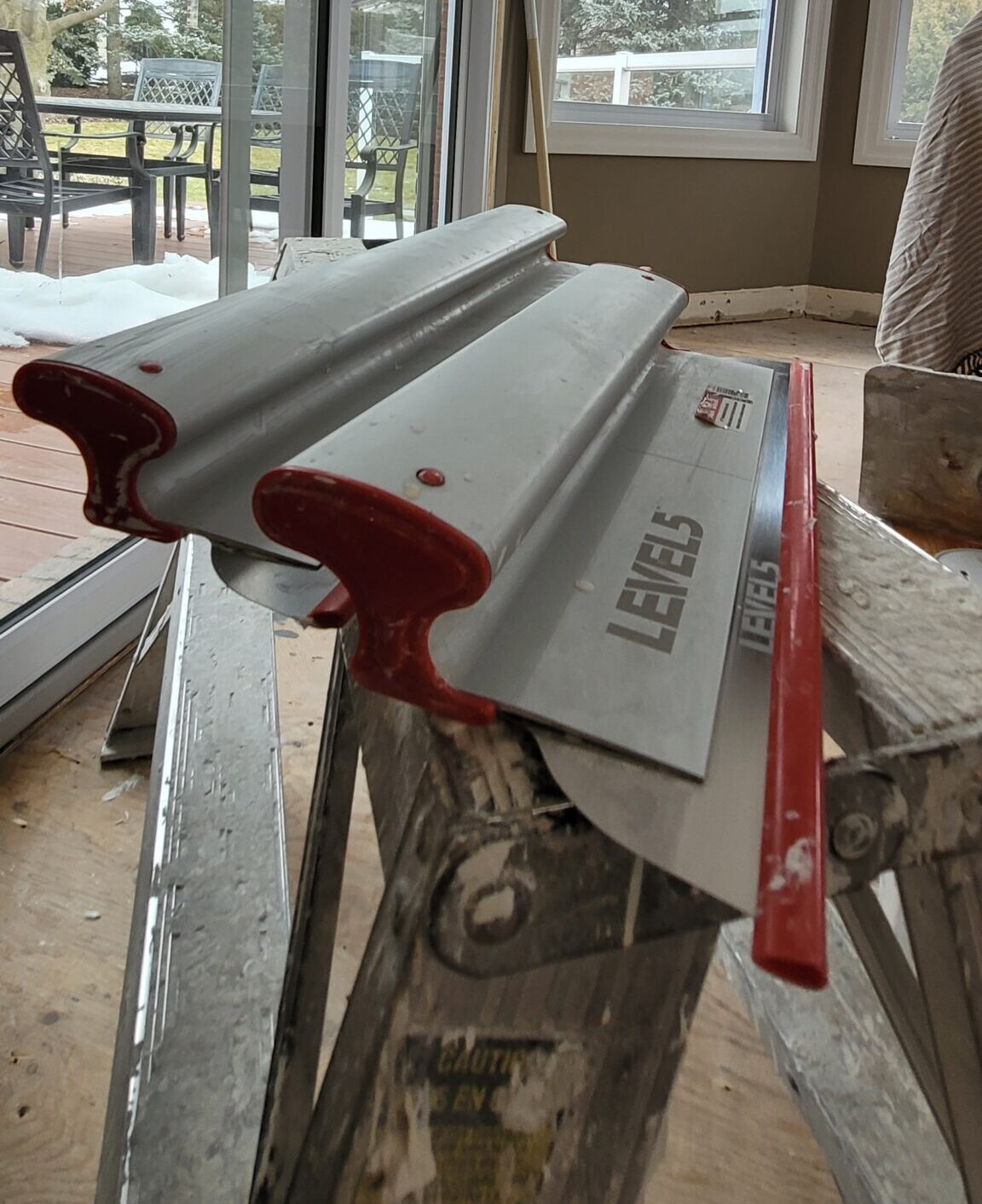
A qualified painter can typically repair small holes, dents, scratches, nail holes, minor cracks, loose tape, and shallow wall damage. They can also patch areas where old hardware, shelving, wall-mounted TVs, or picture frames have been removed. Once repaired, the area is sanded, primed as needed, and blended into the surrounding surface before painting.
For homeowners and condo residents, combining drywall repair and painting is often the most efficient option. One contractor can assess the damage, complete the preparation, match the finish, paint the repaired area or entire room, and leave the work area clean when the job is done.
Common Drywall Repairs Painters Can Handle
Most visible, non-structural wall damage can be repaired as part of an interior painting service. The repair process varies based on the size, location, and condition of the damaged area.
Nail holes, anchor holes, and small dents
These are among the most common repairs in homes, apartments, and condos. Small holes from artwork, curtain rods, shelves, or wall anchors can be filled with the appropriate compound, sanded smooth, and primed before painting. While this may sound simple, rushing the sanding or skipping primer can leave a dull spot or raised patch that shows through the final coat.
Medium holes and damaged corners
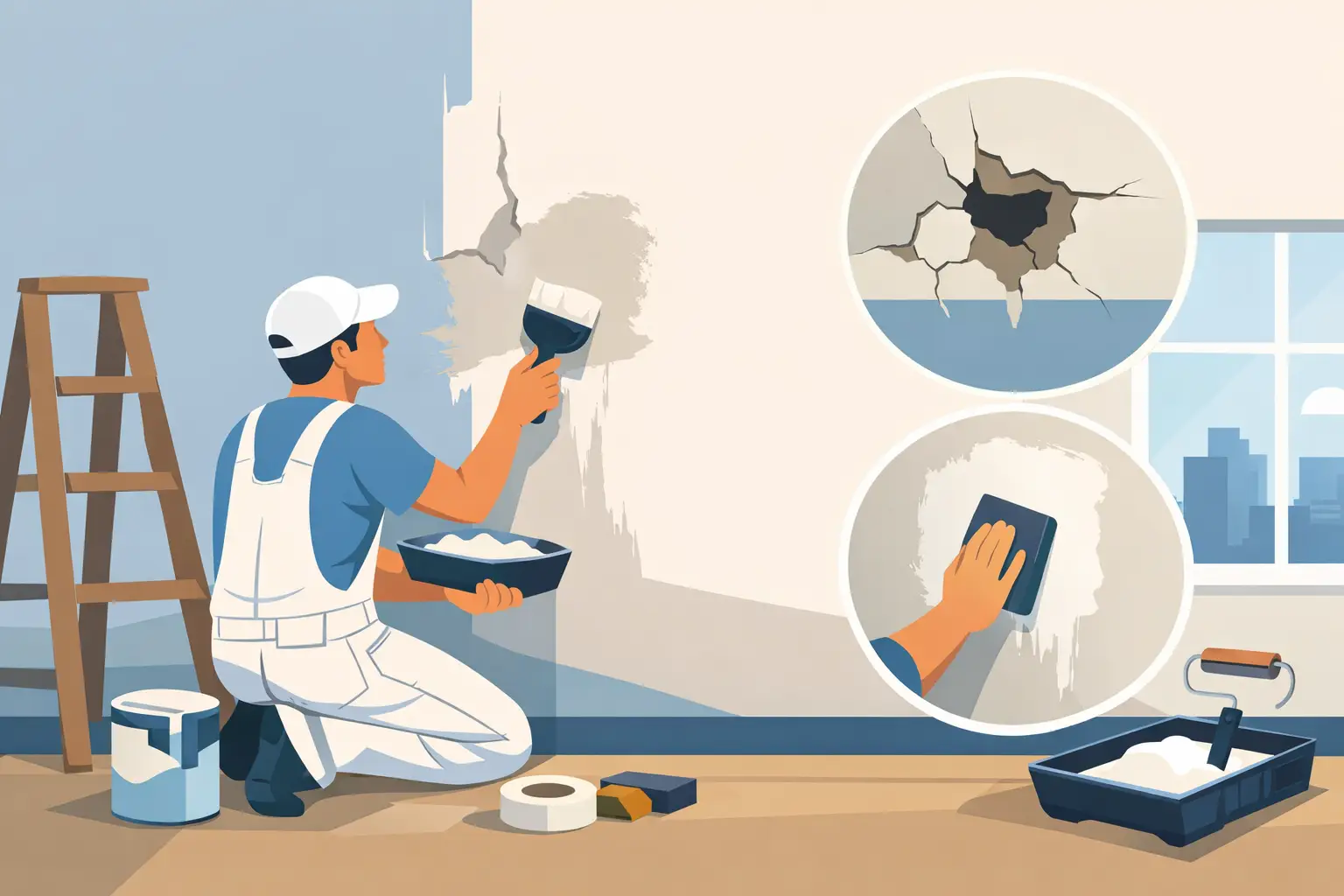
A larger hole often needs more than filler. The damaged drywall may need to be cut back to a clean shape, supported with backing, patched with new drywall, taped, and coated in stages. Damaged outside corners may require new corner bead or repair compound before they can be restored.
These repairs take time because joint compound must dry between coats. A fast turnaround is possible when the scope is clear, but proper drying and sanding should not be skipped simply to finish sooner.
Cracks, nail pops, and loose drywall tape
Fine cracks and nail pops are common in older homes and in buildings that experience normal settling. A painter can often secure the affected area, remove loose material, apply tape or compound where needed, and feather the repair so it blends with the wall.
However, recurring cracks deserve closer attention. If a crack keeps returning, is widening, or appears near doors, windows, or ceilings, it may be related to movement in the building. Repairing the surface can improve the appearance, but the underlying cause should be considered before expecting a permanent result.
Ceiling stains and surface damage
A painting contractor may be able to repair and repaint a stained ceiling after the source of the stain has been resolved. Water damage is different from a simple cosmetic flaw. The leak, plumbing issue, roof issue, or condensation problem must be fixed first. Otherwise, staining, soft drywall, peeling paint, or mold can return.
Once the area is dry and stable, damaged material can be removed or repaired, the surface can be sealed with the proper primer, and the ceiling can be repainted for an even finish.
When Drywall Damage Needs More Than a Painter
Painting and drywall repair work well together when the damage is limited and the wall or ceiling remains sound. Some situations require a different level of repair before painting begins.
Extensive water damage, active mold growth, sagging ceilings, major holes, damaged insulation, or signs of structural movement should be evaluated before cosmetic work is scheduled. A ceiling that is soft to the touch or a wall that has been wet for a long period may need drywall replacement rather than a patch.
Electrical, plumbing, or HVAC access openings can also require coordination with the appropriate trade. The opening should not be closed until the work behind the wall has been inspected or completed. After that, a drywall and painting contractor can restore the surface and finish it properly.
A dependable contractor should be clear about these limits. Promising to paint over an unresolved issue is not a quality repair. The goal is to restore the appearance of the room while helping the homeowner make a practical decision about what needs to happen first.
Why Surface Preparation Matters So Much
The repair itself is only one part of the result. The difference between a visible patch and an invisible repair often comes down to preparation, sanding, priming, and paint application.
Joint compound needs to be feathered beyond the damaged spot so there is no hard edge where the repair meets the existing drywall. The surface then needs careful sanding. If the wall has texture, the repaired area may need to be matched so it does not look flat beside a textured finish.
Primer is also important. Fresh drywall compound absorbs paint differently than an already painted wall. Without the right primer, repaired areas may flash, meaning they look shinier, duller, or slightly different in color under certain lighting. This is especially noticeable with dark colors, satin finishes, and smooth walls that receive direct light.
For the best visual result, painting the full wall is often better than touching up only the patched spot. A small touch-up may work if the original paint is recent and available. If the paint has faded, been cleaned repeatedly, or was mixed years ago, the color and sheen may not blend perfectly. Repainting the entire wall creates a more consistent finish.
What to Expect From a Professional Repair and Paint Visit
Before work begins, the contractor should assess the damaged areas and determine whether they are simple patches, larger drywall repairs, or signs of an underlying issue. Clear photos can help with an initial quote, but an in-person assessment may be needed for larger repairs, water damage, ceiling work, or repairs in difficult-to-access areas.
The work area should be protected with drop cloths and plastic where appropriate. Furniture may need to be moved or covered, especially when sanding is required. Professional cleanup matters because drywall dust can travel beyond the immediate repair area if the job is not contained carefully.
The schedule depends on the repair. Minor nail-hole filling and painting may be completed quickly. Larger patches, multiple coats of compound, ceiling repairs, or extensive painting can take longer because drying time and proper preparation are part of the process. A reliable contractor will explain the expected timeline rather than treating every repair as a one-visit job.
How to Prepare for a Drywall Repair Quote
When requesting a quote, describe where the damage is located, how large it is, and what caused it if known. Mention whether the area has been wet, whether a repair has already been attempted, and whether you want only the patch repaired or the full room painted.
Photos taken from a few feet away, along with one wider photo showing the wall or ceiling, can help communicate the scope. Good lighting is useful, but do not worry about making the problem look perfect. It is better for the contractor to see the actual condition so the quote and timeline are realistic.
For Toronto and GTA homeowners, condo owners, and landlords, Maximum Services provides drywall repair and interior painting with attention to clean preparation and finished appearance. The right repair is not just about filling a hole. It is about making the wall look like the damage was never there.
If a damaged wall or ceiling is affecting the look of your space, arrange an assessment before painting. A clear repair plan, careful preparation, and quality finishing work can make the room feel maintained, polished, and ready to enjoy again.
No responses yet