
A dent in drywall can make an otherwise clean room look neglected. It may come from furniture, a door handle, moving boxes, a child’s toy, or an old wall anchor. The good news is that most surface damage can be restored. Knowing how to repair drywall dents starts with recognizing whether the damage is truly minor or whether the wall needs a more complete repair and refinish.
For homeowners, condo owners, and landlords, the goal is not simply to fill a low spot. A quality repair should disappear once the wall is painted. That requires the right preparation, a smooth application of compound, careful sanding, and primer before the final coat of paint.
Start by Checking the Depth of the Dent
Small dents are usually cosmetic. They may leave the paint intact, crack the surface slightly, or create a shallow depression in the drywall paper. These repairs are generally straightforward when the board beneath the surface is solid and dry.
A larger dent needs a closer look. Press gently around the damaged area. If the drywall feels soft, moves inward, has loose paper, or shows cracking beyond the dent, there may be more than a surface issue. Water damage, a broken corner bead, loose drywall, or a previous poor repair can all require additional work before finishing.
The location also matters. Dents near outside corners, door frames, baseboards, or electrical outlets often take more time to repair cleanly. A dent in the middle of a flat wall is easier to blend than damage along a sharply defined edge.
How to Repair Drywall Dents Without a Visible Patch
The repair process depends on the condition of the drywall surface. For a shallow dent with no loose material, the area is normally cleaned and lightly sanded to remove raised paint edges. This gives the patching compound a solid, even surface to bond to.
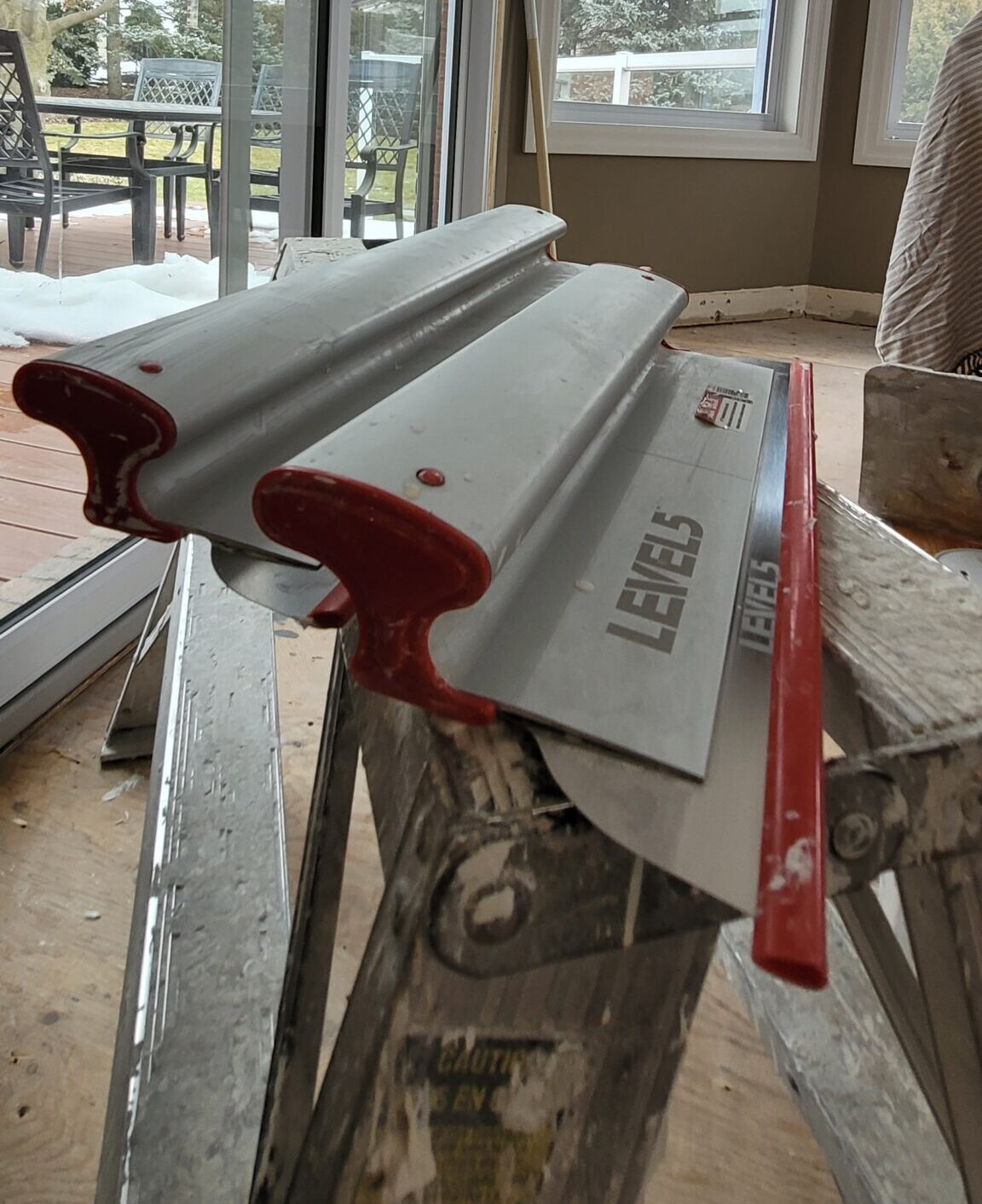
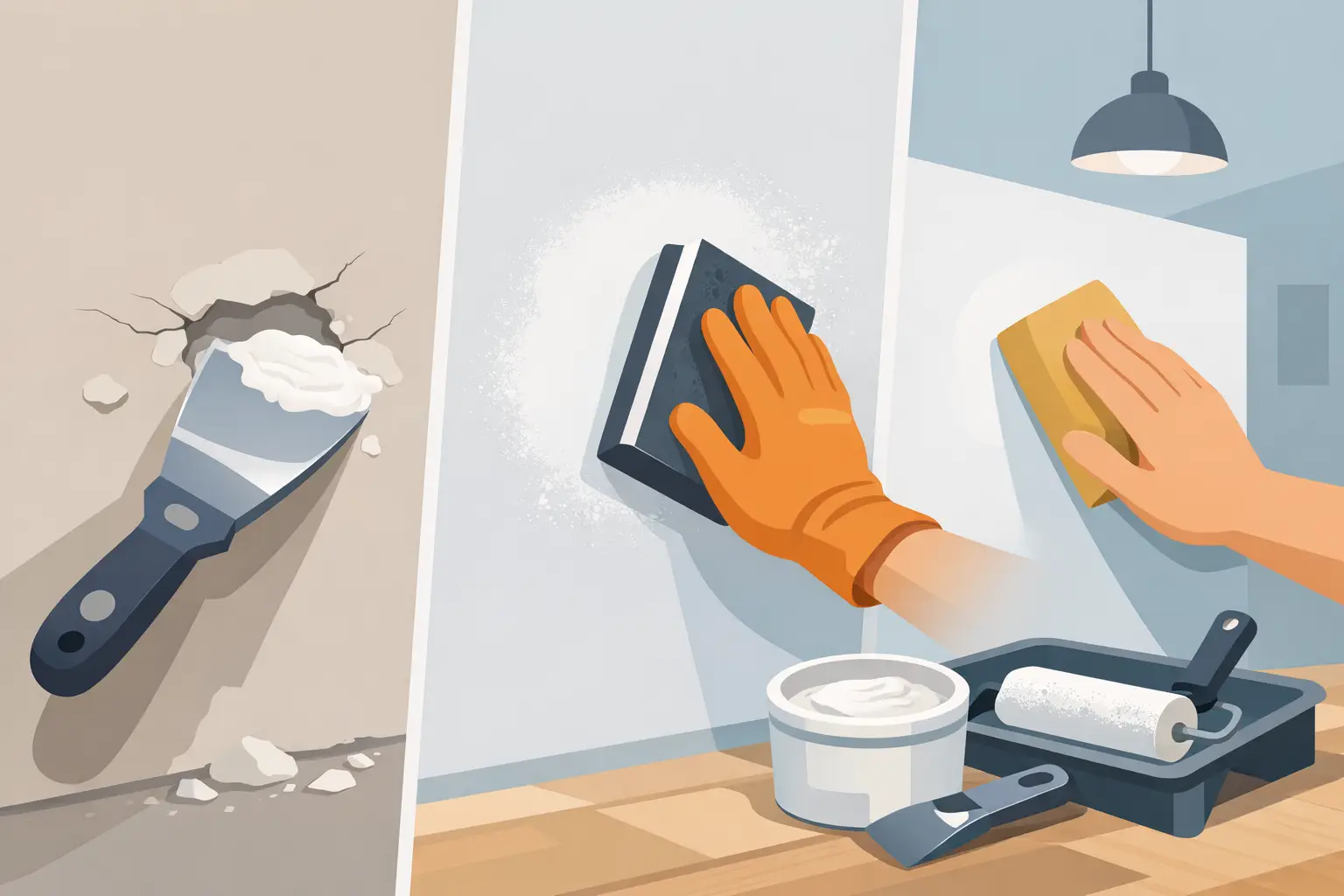
A professional typically applies a thin layer of joint compound or lightweight spackle using a broad taping knife. The material is pressed into the low area, then feathered outward beyond the dent. Feathering is what keeps the repair from looking like a small mound on the wall once paint is applied.
One thick coat is rarely the best approach. Thick compound can shrink, crack, or take too long to dry evenly. Two or three thin coats usually produce a flatter, more durable result. Each coat must dry fully before the next coat is applied.
After the final coat dries, the surface is sanded carefully. The goal is to level the compound without scuffing a large area of surrounding paint. Fine sanding dust is one reason drywall repair can become messy when it is handled without proper containment and cleanup.
Repairing Dents With Torn Drywall Paper
A dent may tear the outer paper layer of the drywall, especially if an object struck the wall hard or if an adhesive hook was pulled off. This is where simple filling can fail. Loose or torn paper can bubble when wet joint compound is applied over it.
The damaged paper should first be trimmed back to a stable edge. Any loose fibers need to be removed, and the exposed area should be sealed before patching. A suitable sealer prevents the drywall face paper from absorbing moisture and lifting beneath the repair.
Once sealed and dry, the dent can be filled in thin layers. Skipping the sealing step often leads to bubbles, rough edges, and a repair that needs to be redone. It may look acceptable immediately after sanding but become visible again after painting.
Why Sanding and Priming Matter
Many drywall repairs look smooth before paint goes on, then become obvious under room lighting. Paint reflects light differently over raw joint compound than it does over an existing painted wall. This is called flashing, and it is especially noticeable with eggshell, satin, and semi-gloss finishes.
Primer helps create a uniform surface so the final paint absorbs and reflects evenly. It also makes it easier to spot remaining imperfections before the finish coat is applied. If the repair is not level after priming, a skilled painter can make final adjustments rather than discovering the issue after the room is complete.
Matching the existing wall texture is equally important. Smooth walls require a nearly invisible blend. Textured walls, orange peel finishes, and older plaster-like surfaces need a texture repair before painting. A flat patch on a textured wall can stand out just as much as the original dent.
When a Small Dent Is Not a Small Repair
Some dents point to underlying problems that should not be ignored. Repeated dents in the same area may be caused by a door opening too far, furniture striking the wall, or inadequate protection in a high-traffic hallway. In these cases, fixing the drywall without addressing the cause may only provide a temporary result.
Damage at an outside corner can mean the metal or vinyl corner bead is bent or detached. Simply applying compound over a damaged corner often creates a soft, uneven line that chips again. The corner bead may need to be repaired or replaced before the wall can be finished properly.
If a dent is paired with staining, softness, mold, or a musty smell, do not treat it as a standard cosmetic repair. Moisture must be identified and resolved first. Repairing and painting over wet drywall can hide the issue briefly while allowing the damage to spread behind the surface.
Common Drywall Repair Mistakes to Avoid
The most common mistake is using too much compound at once. It feels faster, but it creates more sanding, more shrinkage, and a greater chance of an uneven patch. Another frequent issue is sanding only the center of the repair instead of feathering the entire patched area into the wall.
Painting without primer is another shortcut that often shows later. Even if the wall color is matched perfectly, the repaired section can appear duller or glossier than the surrounding wall. A touch-up can also look different from the original paint if the wall has faded, been cleaned repeatedly, or has years of normal wear.
Poor dust control can create a separate problem. Drywall sanding dust settles on flooring, furniture, vents, and nearby surfaces. For occupied homes and condos, clean preparation and thorough cleanup are part of a professional repair, not an extra detail.
When to Hire a Drywall Repair Professional
A homeowner may be comfortable handling a tiny nail-hole-sized dent, but larger or more visible repairs are often best left to an experienced drywall contractor. This is particularly true in living rooms, hallways, entryways, stairwells, and rooms with strong natural light. These areas reveal uneven patches quickly.
Professional service can also be the practical choice when several dents, cracks, holes, or old repairs need attention at the same time. Completing the repairs together allows the surfaces to be prepared, patched, sanded, primed, and painted consistently. It also avoids the frustration of repeated touch-ups that never quite match.
For Toronto and GTA homeowners who want the work completed cleanly and on schedule, Maximum Services provides drywall repair and interior painting with attention to surface preparation and final appearance. A proper assessment helps determine whether the damage needs a simple patch, corner repair, moisture investigation, or a larger section of drywall replacement.
The best drywall repair is the one you stop noticing. When the wall is flat, the texture is matched, the paint blends evenly, and the work area is left clean, a former dent becomes part of a finished room rather than a recurring eyesore.
No responses yet