
A wall can look worn long before it is seriously damaged. Nail holes, furniture scuffs, settling cracks, failed patches, water stains, and dated textures all make a room feel less cared for. This guide to interior wall restoration explains what a proper restoration involves, what should be repaired before painting, and when bringing in an experienced drywall and painting contractor is the practical choice.
For homeowners, condo owners, and landlords, the goal is usually straightforward: restore clean, smooth walls that look finished and hold up well. The difference between a quick cosmetic cover-up and lasting work is usually found in the preparation beneath the paint.
Start With the Cause, Not Just the Damage
Interior wall restoration begins with an assessment. A small dent from moving furniture needs a different repair than a crack that continues to reappear along a drywall seam. Painting over either issue may improve the room briefly, but it will not correct a loose tape joint, moisture problem, or damaged drywall underneath.
Surface damage is common in active homes and rental properties. Small holes, chips, scratches, and old picture-hook marks can often be repaired efficiently. Larger concerns need closer attention. Water stains may point to a past or current leak. Soft drywall, bubbling paint, or a musty odor can indicate moisture that needs to be addressed before cosmetic work starts.
Cracks also require judgment. Fine hairline cracks can result from normal seasonal movement, particularly in older homes. Wider cracks, cracks that keep opening, or damage around windows and doors may need a more thorough inspection before repair. A dependable contractor should explain what they see and recommend a repair scope that fits the actual condition of the wall.
What Professional Wall Restoration Includes
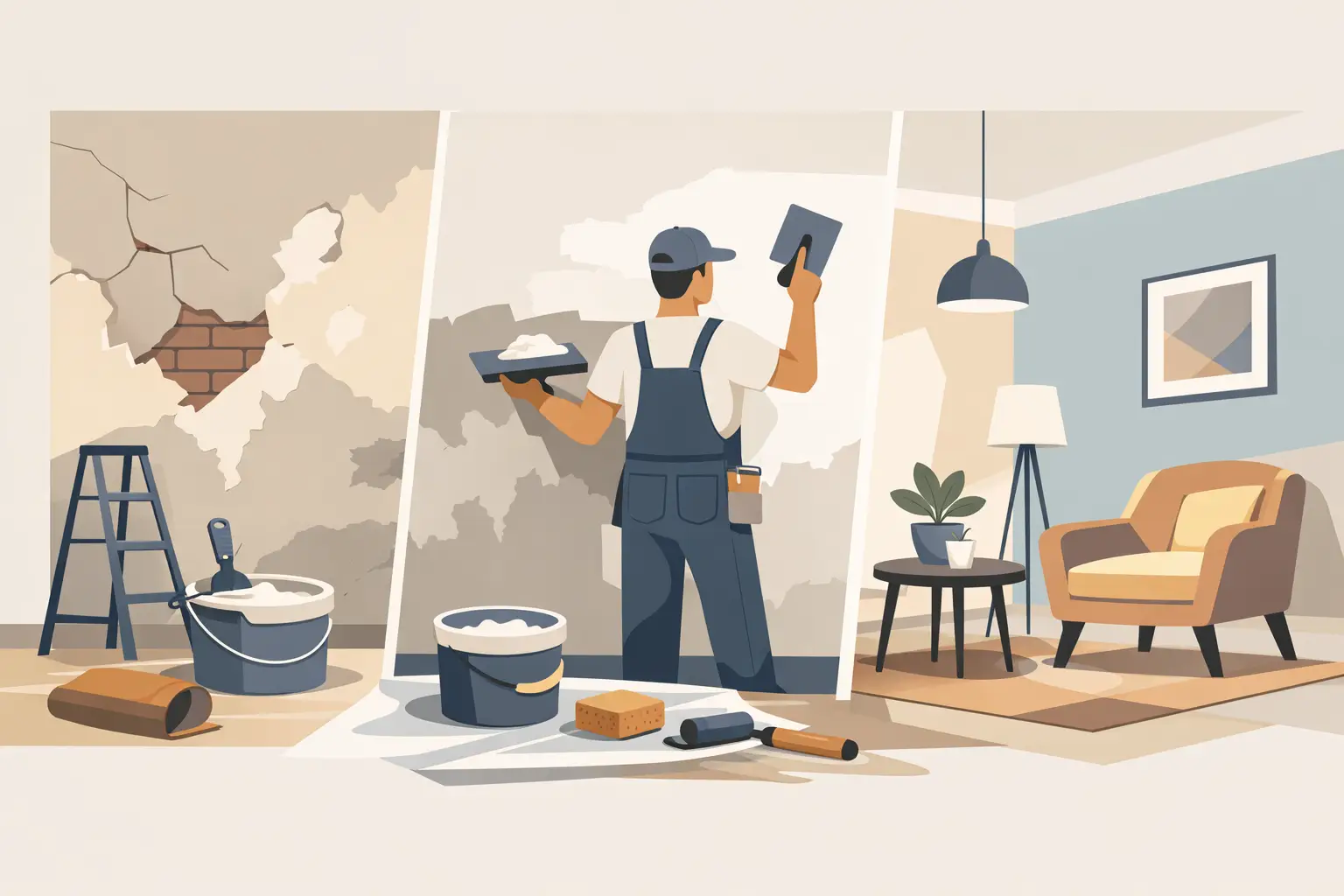
A quality restoration is a sequence of connected tasks, not simply patching and painting. The work may be limited to one damaged area, or it may involve restoring an entire room before a repaint. The right approach depends on the wall finish, the extent of the damage, and how visible the repaired area will be in normal light.
Drywall repair and patching
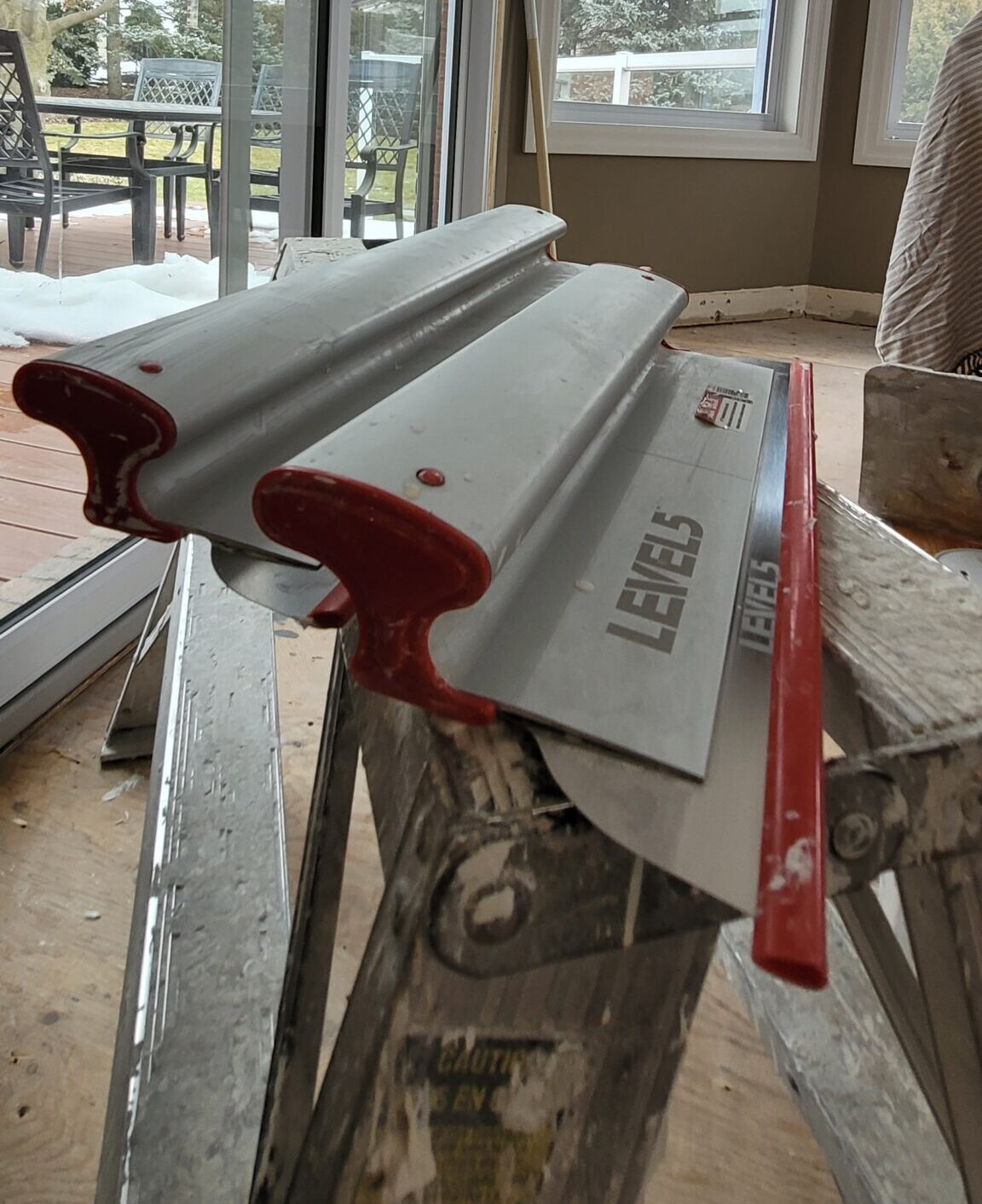
Small holes can often be filled, sanded, primed, and painted. Larger holes usually require new drywall material, backing support, joint compound, tape, and multiple finishing coats. Each coat must dry properly before sanding and refinishing. Rushing this stage can leave a repair that looks flat from one angle but becomes obvious when sunlight hits the wall.
Corner damage is another frequent issue. Outside corners can crack or dent when hit by furniture, strollers, or vacuum equipment. Proper repair may include rebuilding the corner, replacing damaged corner bead, applying compound, and carefully sanding the profile so it looks straight again.
Seam, crack, and loose tape repair
A visible line along a drywall joint is not always a simple paint problem. When drywall tape separates, the loose material needs to be removed or secured correctly before new tape and compound are applied. Adding compound over a failing seam may hide it temporarily, but the issue often returns.
The same principle applies to recurring cracks. A professional repair addresses the joint or movement point, then blends the repair into the surrounding wall. The goal is to create a stable, smooth surface rather than a thick patch that telegraphs through the paint.
Stain sealing and surface preparation
Water marks, smoke residue, grease, marker stains, and old paint defects can bleed through fresh paint if they are not prepared correctly. Depending on the cause, the wall may need cleaning, sanding, stain-blocking primer, or spot treatment before finish paint is applied.
Preparation also includes protecting floors, furniture, trim, and adjacent areas. Clean job sites matter, especially in occupied homes and condos. Dust control and careful masking help keep a restoration project from becoming disruptive to the rest of the space.
Matching Texture and Existing Finishes
Smooth drywall is often the most demanding finish to repair because imperfections are easy to see. Light from windows, pot lights, and wall fixtures can reveal ridges, flashing, sanding scratches, and uneven patches. A repaired section needs to be feathered outward so it blends naturally into the wall rather than ending in a visible edge.
Textured walls and ceilings add another layer of work. Orange peel, knockdown, and older sprayed textures need to be matched as closely as possible. Exact matching can be difficult when the existing texture has been painted several times or has aged over many years. A contractor may recommend restoring the affected area, blending a larger section, or refinishing the full wall for a more consistent result.
Popcorn ceiling removal is a separate but related restoration project. Once a dated texture is removed, the ceiling often needs drywall repair, skim coating, sanding, priming, and painting before it has a clean modern appearance. Older textured ceilings should be assessed carefully before disturbance, particularly if the home was built decades ago.
Why Painting Comes Last
Fresh paint is the visible final step, but it should not be the first solution. Paint can refresh a room dramatically, yet it cannot level poor patches, secure loose tape, remove deep dents, or stop stains from bleeding through. When repair and preparation are done properly first, the paint finish looks more even and is more likely to last.
Primer is often necessary over new drywall compound, repaired areas, stains, and major color changes. Without the right primer, patches may absorb paint differently from the surrounding surface. This can create dull spots or a noticeable change in sheen, even when the paint color is correct.
Sheen selection matters as well. Flat paint hides minor wall imperfections better, which is one reason it is common on ceilings and low-traffic walls. Eggshell and satin are easier to clean but can show surface flaws more readily, especially under direct light. For hallways, kids’ rooms, kitchens, and rental units, the trade-off between washability and surface visibility should be discussed before painting begins.
When a Partial Repair Is Enough
Not every damaged wall needs a full-room restoration. A localized repair can be a sensible option when the existing paint is still available, the wall has not faded significantly, and the damage is in a less noticeable area. This can keep the project focused and cost-effective.
However, touch-up painting has limits. Even with the same paint color, an older painted wall may have changed due to sunlight, cleaning, and everyday wear. Different application methods can also affect sheen. A spot repair may blend well in some cases, while painting the entire wall is the better choice in others.
Full-wall painting is often recommended after a large repair, multiple patches, heavy staining, or visible fading. It creates a consistent finish from corner to corner. In open-concept spaces, painting connected walls may also be worthwhile when color continuity matters.
What to Expect From a Reliable Contractor
Before work begins, a clear scope helps avoid surprises. The contractor should identify the damaged areas, explain whether moisture or structural concerns must be resolved first, and describe the repair and painting process in plain language. You should know whether the estimate includes patching, priming, texture work, paint, protection of the work area, and cleanup.
Timing depends on the size and condition of the project. Minor repairs and repainting may be completed quickly, while larger drywall repairs require drying time between coats of compound. Fast turnaround is valuable, but a good finish cannot be rushed past the drying and sanding stages that make the surface smooth.
For occupied properties, communication is just as important as workmanship. Homeowners and tenants need to know when rooms will be unavailable, how dust will be managed, and when furniture can be returned. This is especially important in condos, where elevator bookings, parking, and building requirements may affect scheduling.
Maximum Services has served Toronto and the GTA since 2001 with drywall repair, popcorn ceiling removal, and interior painting services built around careful preparation, clean work areas, and reliable scheduling. For a small patch or a complete room refresh, an on-site assessment is the best way to receive an accurate recommendation and quote.
Plan Restoration Before the Damage Spreads
Small wall issues are easier to repair before they become larger ones. A minor water stain can become damaged drywall if a leak continues. A loose seam can widen. Repeated touch-ups can leave a wall uneven and difficult to blend later.
If your walls are showing cracks, dents, stains, worn paint, or outdated texture, arrange an assessment before choosing a quick fix. A properly repaired and professionally painted surface does more than improve a room for listing photos or guests. It gives the space the clean, well-maintained finish you want to come home to every day.
No responses yet