
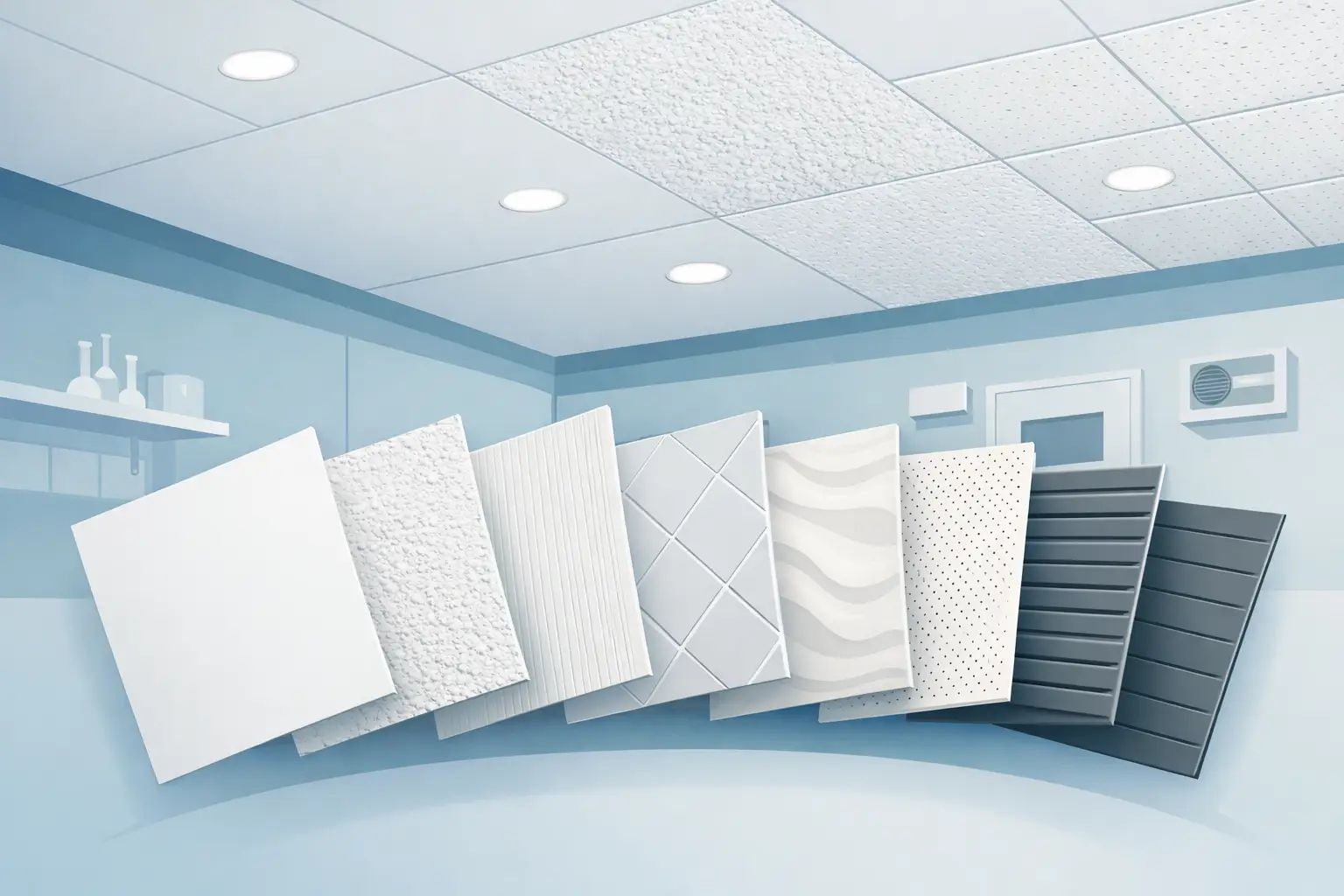
A dated popcorn ceiling can make an otherwise well-kept room feel older than it is. The best ceiling texture alternatives give homeowners a cleaner finish, better light reflection, and a surface that is easier to maintain. The right choice depends on the condition of the existing ceiling, the room’s style, lighting, budget, and how much preparation is needed before painting.
For many Toronto and GTA homeowners, the goal is not to add a dramatic ceiling feature. It is to remove an uneven, dusty, or damaged texture and replace it with a finish that looks intentional, clean, and professionally completed. Here are the most practical options to consider before scheduling ceiling repairs or popcorn ceiling removal.
Best Ceiling Texture Alternatives for Modern Homes
1. Smooth drywall finish
A smooth drywall ceiling is the most popular alternative to popcorn texture and heavy sprayed finishes. It creates a clean, modern appearance that works with nearly every interior style, from condos and rental units to family homes with updated kitchens and living rooms.
Smooth ceilings also reflect light more evenly. In rooms with pot lights, large windows, or lighter paint colors, that can make the entire space feel brighter and more open. A flat white ceiling paint is a common choice, though a soft off-white can work well when the walls have warmer tones.
The trade-off is that smooth drywall shows flaws more readily than a textured surface. Seams, patches, nail pops, water staining, and uneven framing need proper repair and finishing before paint goes on. A professional skim coat and careful sanding are what separate a smooth-looking ceiling from one that looks good only from a distance.
2. Skim-coated ceilings
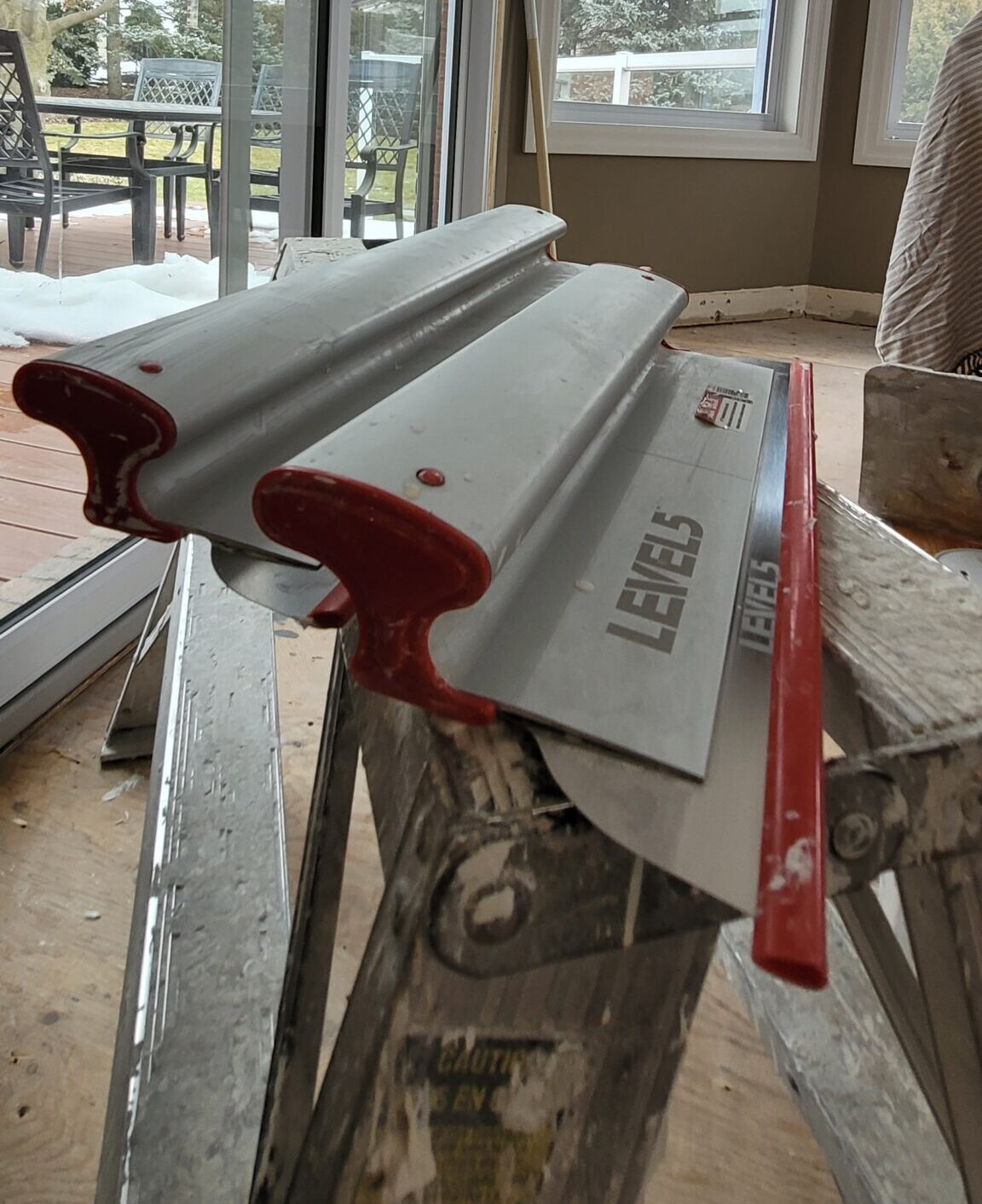
Skim coating is often the best solution when an existing ceiling has minor texture, old repairs, or uneven areas that do not require full drywall replacement. A drywall professional applies thin layers of compound across the surface to level it, then sands and primes the ceiling for paint.
This option is especially useful after popcorn ceiling removal. Once the texture is removed, the surface beneath may have adhesive residue, torn drywall paper, or visible joints. Skim coating creates the uniform surface needed for a polished final result.
Skim coating takes more labor than simply painting over a texture, but it can prevent a disappointing finish. It is a worthwhile investment in main living areas, bedrooms, hallways, and any space where overhead lighting makes ceiling imperfections noticeable.
3. Knockdown texture
Knockdown texture provides a subtle pattern without the heavy, rough look of popcorn. It is created by applying joint compound or texture material and lightly flattening the raised areas before the material dries. The result is a soft, mottled finish that adds visual interest while still looking controlled.
This is a practical choice for ceilings with small imperfections that would be expensive to eliminate completely. The texture can help disguise minor inconsistencies in older drywall while offering a more current appearance than popcorn.
Knockdown is not ideal for every room. In a very modern condo or a home with crisp, minimalist finishes, a smooth ceiling may better match the space. The texture must also be applied consistently. Uneven application can make the ceiling look patchy instead of refined.
4. Orange peel texture
Orange peel texture has a fine, lightly stippled appearance. It is less pronounced than knockdown and can be used where a small amount of texture is helpful but a fully smooth ceiling is not necessary.
Because the finish is subtle, it works well in utility areas, basements, secondary bedrooms, and rental properties where durability and reasonable repair costs matter. Small patches can blend more easily than they would on a perfectly smooth ceiling, provided the texture and paint are matched correctly.
For formal living rooms, open-concept main floors, or spaces with strong natural light, orange peel may still appear more textured than homeowners expect. Requesting a small sample area before the full application can help confirm that the scale of the pattern suits the room.
5. Light stomp texture
A light stomp finish uses a brush or specialized tool to create a repeating pattern in wet compound. It can add a traditional look without the thick buildup associated with older ceiling textures. When applied lightly and painted evenly, it can feel more intentional than a heavy sprayed finish.
This option can be suitable for homes with traditional trim, older architectural details, or ceilings that need some visual coverage. It is also a reasonable alternative when extensive smoothing would require more repair work than the homeowner wants to take on.
The main consideration is style. Stomp texture has a more noticeable pattern than knockdown or orange peel, so it may not fit a contemporary renovation. It also has more ridges and recesses, which can collect dust over time and make future repairs more difficult to blend.
6. Beadboard or plank ceiling panels
For homeowners who want a deliberate design feature rather than drywall texture, beadboard or painted plank-style ceiling panels can be a strong alternative. This finish adds dimension and character to powder rooms, kitchens, entryways, sunrooms, and cottage-style spaces.
Panels can also cover a ceiling with widespread cosmetic issues, reducing the need to achieve a flawless drywall surface underneath. However, the ceiling still needs to be assessed for moisture damage, loose material, or structural concerns before anything is covered.
This option usually costs more than a standard smooth finish because it involves materials, layout, trimming, fastening, and finishing. Ceiling height matters as well. In a low condo ceiling, added thickness and visible lines may make the room feel busier. In the right space, though, painted beadboard can deliver a clean, finished look that drywall texture cannot.
7. Coffered or tray ceiling details
Coffered ceilings and tray details are architectural upgrades rather than simple texture alternatives. They use framing, molding, or recessed sections to create depth. These finishes can add value and visual impact in dining rooms, primary bedrooms, and larger living spaces with enough ceiling height.
They are not the most practical answer for every outdated ceiling. If the primary problem is popcorn texture, cracking, or old water damage, the damaged drywall should be repaired first. Decorative details should enhance a sound surface, not hide an unresolved issue.
For homeowners planning a larger renovation, these options can create a high-end result. For a quick refresh before selling, renting, or moving into a condo, a smooth skim-coated ceiling is often the more cost-effective choice.
What to Consider Before Choosing a Finish
The condition of the current ceiling should guide the decision. A ceiling with a few minor repairs may be a good candidate for smoothing or a fine texture. One with extensive cracking, sagging drywall, previous leaks, or poorly blended patches may need more substantial repair before any new finish is applied.
Lighting is another factor that is easy to overlook. Pot lights and side lighting can reveal every ripple in a smooth ceiling, particularly with flat paint in a bright room. That does not mean smooth is the wrong choice. It means the surface preparation needs to meet a higher standard.
If the home was built before the mid-1980s, old popcorn texture should be tested before removal. Some materials may contain asbestos, and disturbing them without proper assessment can create a safety concern. A professional evaluation helps determine the appropriate removal process before work begins.
Paint selection matters after the ceiling is finished. Flat ceiling paint is commonly used because it reduces glare and helps hide very small surface variations. High-sheen paint can make repairs and texture patterns stand out, so it is rarely the best choice for most ceilings.
Professional Preparation Makes the Difference
A new ceiling finish is only as good as the work beneath it. Proper preparation may include protecting floors and furniture, removing old texture, repairing damaged drywall, securing loose areas, taping joints, applying compound, sanding, priming, painting, and cleaning the space when the work is complete.
This is why many homeowners choose an experienced contractor rather than treating ceiling work as a simple paint job. Ceiling repairs create dust, and finishing work requires a steady hand, strong lighting, and attention to detail. Maximum Services has helped GTA homeowners improve worn and outdated ceilings with careful drywall repair, popcorn ceiling removal, and interior painting since 2001.
A clean, well-finished ceiling changes how the entire room feels. Whether the right answer is a smooth skim-coated surface, a subtle knockdown finish, or a more decorative panel treatment, choose the option that fits the room and make sure the preparation receives the same care as the final coat of paint.
No responses yet