
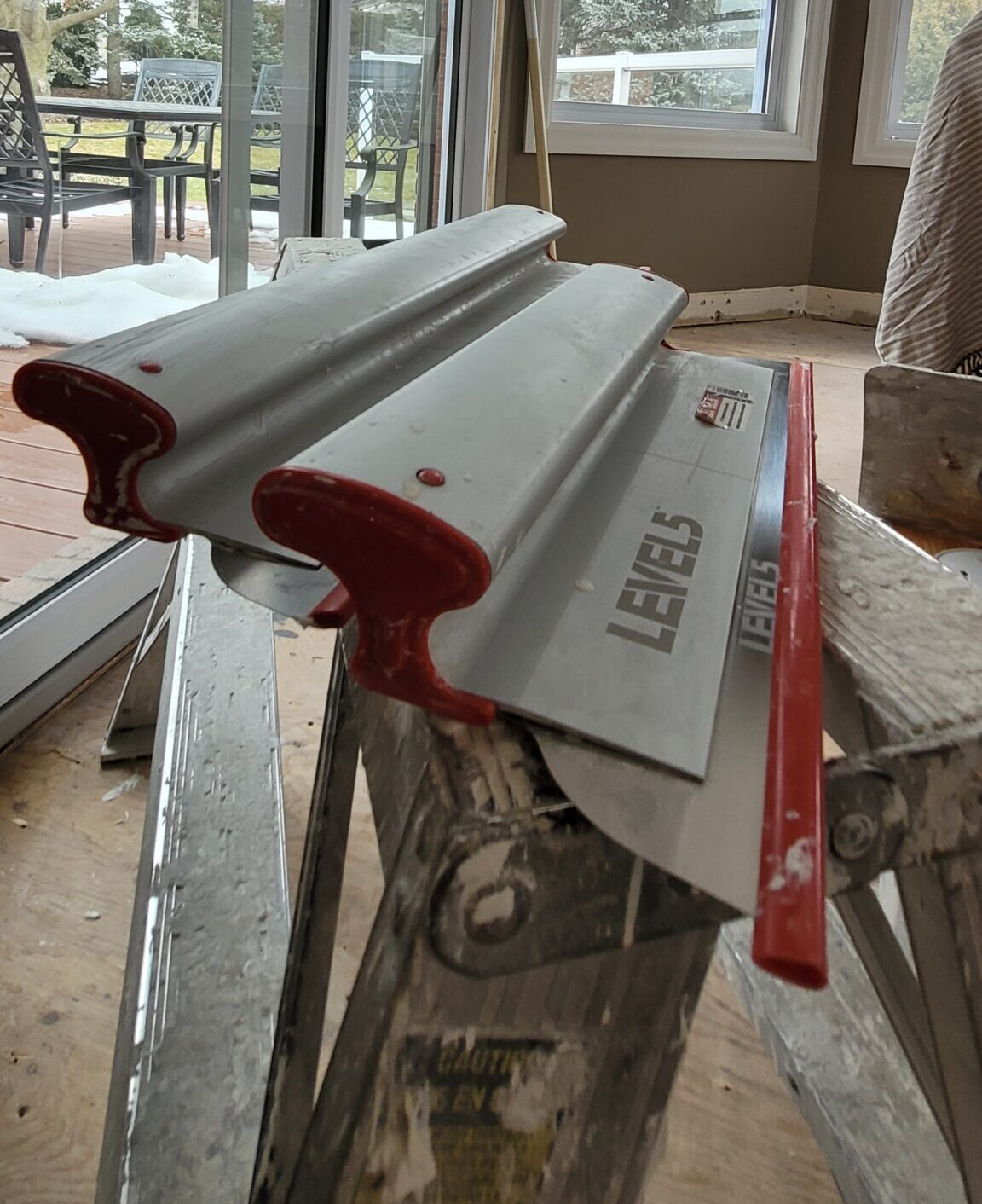

A wall can look tired for more than one reason. Scuffs, nail holes, peeling paint, water stains, cracks, and dents all affect the final result, but a new coat of paint will not solve every problem. This guide to repainting damaged walls explains what must happen before painting so the finished room looks smooth, clean, and properly maintained.
For homeowners, condo owners, and landlords, the goal is not simply to cover visible damage for a few months. It is to correct the surface, match the texture, and apply paint that holds up under normal daily use. That is where professional preparation makes a clear difference.
Why Painting Over Damage Often Fails
Paint can refresh a room, but it cannot hide a poorly repaired surface. In fact, fresh paint often makes imperfections more noticeable, especially on walls that receive direct sunlight or use a satin, semi-gloss, or other reflective finish.
Small nail holes may only need filling and sanding. Larger holes, loose drywall tape, recurring cracks, or damaged corner beads require a more complete repair. If these issues are painted over too quickly, the repair can sink, crack again, or show through as a raised patch.
Water stains need particular attention. Before repainting, the source of the moisture should be identified and corrected. A stain from an old plumbing leak, roof issue, or condensation problem can return through new paint if the area is not properly sealed with the right primer.
Peeling paint is another warning sign. It may result from moisture, poor adhesion, incompatible earlier coatings, or a surface that was never cleaned before painting. Removing loose material and preparing the wall correctly is necessary for a finish that lasts.
Assessing Wall Damage Before Repainting
A professional assessment starts with the condition of the drywall, not the paint color. The size, depth, location, and cause of the damage determine the repair method and the expected timeline.
Cosmetic Marks and Small Holes
Light scuffs, minor scratches, and small nail or picture-hanger holes are common in occupied homes and rental properties. These repairs are usually straightforward, but they still need careful feathering. If filler is left proud of the wall or not sanded evenly, it can appear as a visible spot after paint is applied.
A wall with many small holes may need more preparation than expected. In a room where shelving, artwork, or wall-mounted TVs have been moved, filling each hole individually while maintaining a flat surface takes time and attention to detail.
Cracks, Seams, and Dents
Hairline cracks can be cosmetic, particularly around doors, windows, and drywall seams. However, a crack that keeps returning may indicate movement in the building or a seam that was not reinforced correctly. The repair should address the joint beneath the surface rather than simply filling the line with compound.
Dents and impact damage are also common in hallways, kids’ rooms, stairwells, and busy condo entry areas. A deep dent may require several coats of drywall compound, with drying and sanding between coats, to restore a level surface. A puncture or larger hole may require a drywall patch, backing support, taping, and refinishing.
Water Damage and Staining
Stained or soft drywall should never be treated as a paint-only issue. If the drywall has swollen, crumbled, or become soft to the touch, affected material may need to be removed and replaced. Once the wall is sound and dry, stain-blocking primer can prevent discoloration from bleeding into the finish coat.
For condo residents, this step can be especially important after a plumbing leak from another unit or a building-related issue. Repainting should happen after the moisture problem has been resolved, not while the wall is still drying.
The Professional Process for Repainting Damaged Walls
A proper repainting project follows a clear sequence. Skipping steps may save time at the start, but it can lead to visible repairs, uneven sheen, and premature peeling later.
First, the work area is protected. Floors, furniture, trim, fixtures, and nearby surfaces should be covered or masked as needed. Clean job sites matter, particularly in lived-in homes and condos where dust and disruption need to be kept under control.
Next comes surface preparation. Loose paint is scraped, damaged drywall is repaired, holes are filled, and seams are reinforced where necessary. The repaired areas are sanded to blend into the surrounding wall. Depending on the wall condition, this may involve spot repairs or broader skim coating to create a consistently smooth finish.
After sanding, dust must be removed before primer and paint are applied. Dust left on the surface can reduce adhesion and create a rough finish. Repairs are then primed, especially where fresh drywall compound, exposed paper, stains, or patching materials are present.
The final paint application should be selected for the room and its use. Flat paint can help minimize the appearance of minor wall irregularities, but it is less washable. Eggshell and satin finishes offer more durability for family rooms, hallways, kitchens, and rental units, although their slight sheen can reveal poor preparation. The best choice depends on the room, lighting, and how easily the wall needs to be cleaned.
When a Full Repaint Makes More Sense Than Touch-Ups
A touch-up can work when the original paint is available, the wall is in otherwise good shape, and the repaired area is small. Even then, touch-ups do not always blend perfectly. Paint can fade over time, and differences in roller texture, sheen, or application direction may show under certain lighting.
A full wall repaint is often the better choice after a noticeable repair. It creates a consistent color and sheen across the surface, particularly when the room receives strong natural light. In many cases, repainting one complete wall is more cost-effective and visually reliable than trying to hide multiple isolated patches.
For a unit being prepared for sale, new tenants, or a family move-in, repainting several connected walls may be worth considering. Fresh, consistent paint makes the space feel cared for and can improve the overall impression of the property.
Common Problems That Affect the Final Finish
Even quality paint cannot compensate for rushed preparation. The most common problems after repainting damaged walls include flashing, visible patch outlines, rough sanding marks, roller lap marks, and stains that reappear through the paint.
Flashing happens when repaired or patched sections absorb paint differently than the surrounding wall. Proper priming helps create a uniform surface so the finish coat dries evenly. Visible patch outlines often result from insufficient feathering or sanding. A repair should gradually blend into the wall rather than ending in a hard edge.
Texture matching can also be challenging. Smooth drywall, orange peel texture, and walls that have been painted many times all require a different approach. In older homes, a repair may need broader blending because the existing surface is not perfectly flat. This is one reason experienced drywall repair and painting work is more than a simple paint application.
Choosing a Contractor for Wall Repair and Painting
When hiring someone to repair and repaint damaged walls, ask how they handle preparation, drywall repairs, sanding, priming, and cleanup. A detailed quote should make it clear whether repairs are included and whether the work involves one wall, a full room, or multiple areas of the home.
It also helps to choose a contractor with experience working in occupied homes and condos. Scheduling, protection of common areas, dust control, and respectful cleanup are part of a professional service, not extras. Reliable communication matters just as much when a small repair turns out to need more extensive work.
Maximum Services has served Toronto and GTA homeowners since 2001 with drywall repair and interior painting work focused on clean preparation, dependable scheduling, and detailed finishing. For damage that is visible, recurring, or difficult to blend, having the repair and paint work completed by one experienced team can prevent costly do-overs.
A repaired wall should disappear into the room, not become the first thing you notice when the light changes. Taking the time to correct the surface before painting gives your home the clean, finished appearance it deserves.
No responses yet