
A condo repaint can look like a simple weekend job until the work begins. Marks around switches, nail holes, cracked drywall seams, furniture logistics, elevator bookings, and building rules can quickly turn a small refresh into a disruptive project. This guide to condo painting projects explains what condo owners and landlords should plan before work starts, so the finished space looks clean and the process stays organized.
Start With the Condition of the Walls
Paint improves a room only when the surface underneath is properly prepared. In condos, the most common issues are scuffs in hallways, dents from moving furniture, picture-hanging holes, peeling caulking, hairline cracks, and damaged drywall corners. These problems are especially visible in bright rooms and along smooth, light-colored walls.
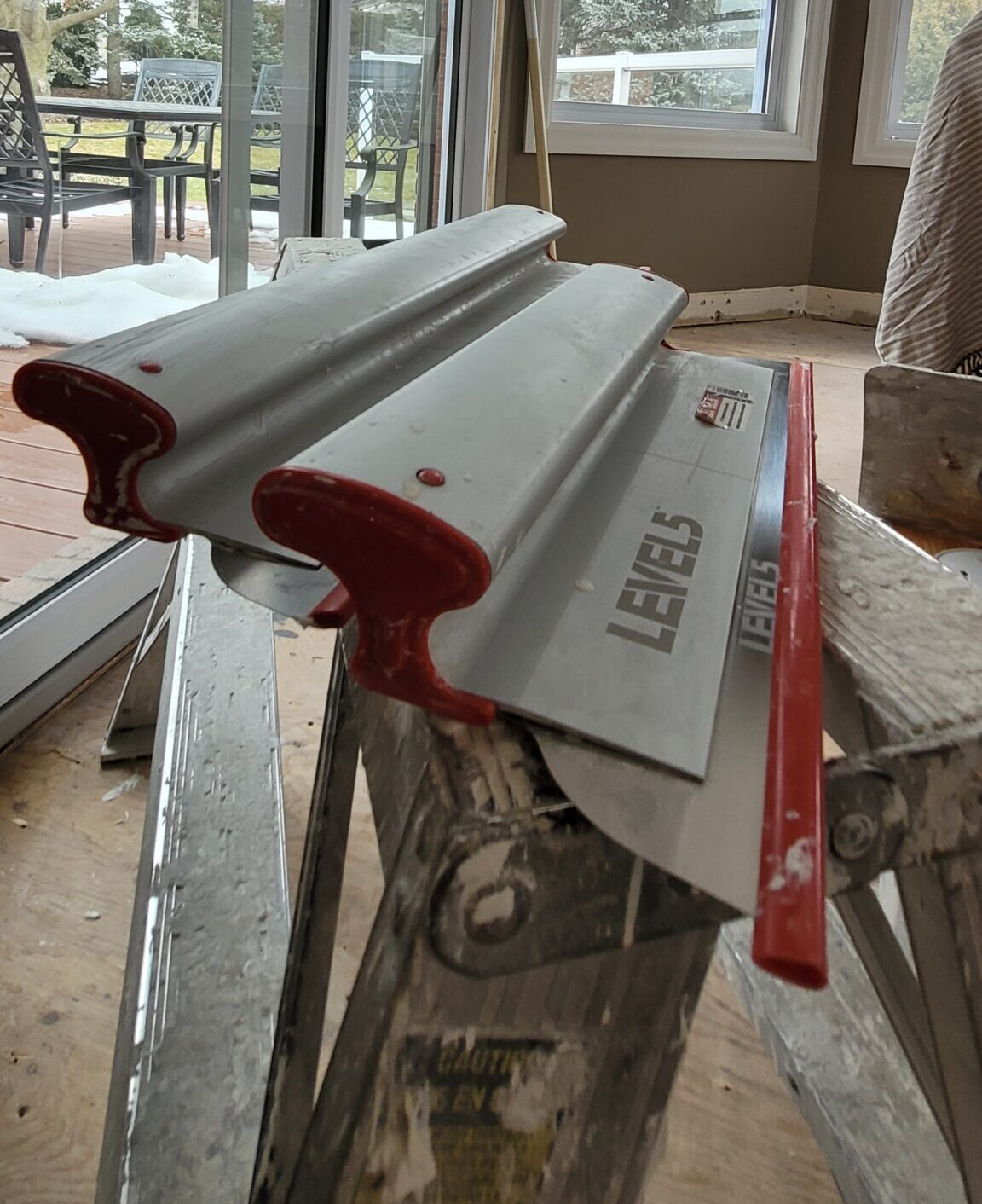
A professional assessment should separate cosmetic touch-ups from repairs that need more attention. A few nail holes can be filled and sanded quickly. Wider cracks, recurring seam lines, or soft drywall may point to movement, moisture, or an earlier repair that was not finished correctly. Painting over those issues may hide them briefly, but the defects can return through the new finish.
Ceilings deserve the same attention. Water staining, old patchwork, or a dated popcorn texture can make an otherwise fresh condo feel neglected. If there has been a leak, the source must be addressed before staining is sealed and painted. For popcorn ceiling removal, containment and careful preparation matter because the work creates dust and needs a smooth finishing process afterward.
Check Building Requirements Before Scheduling
Every condominium has its own rules for renovation work. A painting project may not require a major approval, but it can still involve practical requirements set by property management. Checking these details early avoids delays on the day the crew arrives.
Ask your management office whether you need to book an elevator, provide proof of insurance, use designated loading areas, or follow specific work hours. Some buildings restrict noisy preparation work, such as sanding or ceiling removal, and many have rules for debris disposal. If your project includes drywall repair, confirm whether there are limitations on access to common areas or service elevators.
The timing of the job also matters. A vacant unit is usually the most efficient setting for painting, particularly between tenants or before moving in. Occupied condos can be painted successfully, but the work should be planned room by room. A reliable contractor will protect furniture, cover floors, keep pathways clear, and leave the unit usable whenever possible.
Choose Colors for the Space You Actually Have
Condo color selection is less about following a trend and more about working with the light, layout, and fixed finishes in the unit. Many Toronto condos have limited natural light, open-concept living areas, and flooring or cabinets that will remain in place. The wrong shade can make a room feel smaller, darker, or disconnected from the rest of the home.
Soft whites, warm neutrals, and light greiges remain practical choices for living rooms, halls, and bedrooms because they reflect light and work with a range of furniture. That does not mean every wall needs to be beige. A deeper accent color can add definition to a dining area, den, or bedroom when it is balanced with the surrounding finishes.
Test paint samples on more than one wall and look at them during the day and evening. Condo lighting changes significantly from room to room, especially in units with north-facing windows or shaded views. A color that looks neutral under a store light may appear cool, yellow, or overly gray in the unit.
For rental properties and resale preparation, neutral colors are usually the safer investment. They help prospective tenants and buyers focus on the condition of the space rather than trying to imagine past a highly personal color scheme. A clean, consistent palette also makes small repairs and future touch-ups easier to manage.
Select the Right Paint Finish
Paint sheen affects both appearance and maintenance. Flat paint can help hide minor wall imperfections, but it can be harder to clean in high-traffic areas. Eggshell and satin finishes are popular for condo walls because they offer a washable surface with a modest amount of sheen. Semi-gloss is often used on trim, doors, and sometimes bathrooms because it holds up well to cleaning and moisture.
There is no single finish that suits every unit. A busy household with children or pets may benefit from a more washable wall finish in entryways and hallways. A condo being prepared for sale may call for a consistent low-sheen appearance that photographs well and keeps attention on the room rather than the walls.
Bathrooms and kitchens need special consideration. Moisture, steam, cooking residue, and frequent cleaning place more demand on the coating. Proper surface cleaning, stain blocking where needed, and suitable paint products help prevent peeling and uneven coverage later.
A Guide to Condo Painting Projects: Preparation Sets the Result
The visible painting stage is only one part of a professional job. Preparation is where a durable, even finish is created. Walls should be cleaned where necessary, damaged areas repaired, patches sanded smooth, gaps caulked, and stains primed before the finish coats are applied.
This process is particularly important when the unit has been rented out, recently moved out of, or furnished for years without a full refresh. Grease near kitchens, hand marks around doors, adhesive residue, and old touch-up paint can affect adhesion and color consistency. Skipping preparation may save time initially, but it often leads to flashing, rough patches, and visible transitions after the paint dries.
Protection and cleanup should be included in the plan, not treated as an extra. Floors, countertops, built-ins, and fixtures need proper coverings. At the end of the project, the unit should be left free of paint debris, dust, and unnecessary materials. In a condo building, keeping common areas clean is just as important as protecting the unit itself.
Plan Around Furniture, Access, and Daily Life
A clear work area allows painters to prepare surfaces thoroughly and produce cleaner cut lines. Before the project begins, remove small valuables, wall decor, and fragile items. Large furniture can often be moved toward the center of the room and covered, but this should be discussed in advance so the crew knows what access is available.
If you are living in the condo during the work, prioritize the rooms that matter most. Bedrooms can often be completed one at a time, while kitchens and bathrooms may need a tighter schedule to reduce inconvenience. Landlords should coordinate access clearly with tenants and give proper notice before any work is scheduled.
It also helps to identify building access details before the appointment: parking instructions, concierge procedures, elevator reservations, and a contact person who can answer questions. A few minutes of coordination can prevent a delayed start and keep the project on schedule.
Know When Repairs Should Come Before Paint
Fresh paint cannot correct structural or moisture-related damage. If you see bubbling paint, repeated cracking, soft drywall, mold-like staining, or discoloration below plumbing fixtures, pause the painting plan until the cause is understood. Condo leaks can originate from a neighboring unit or common building system, so documentation and communication with property management may be needed.
For ordinary wear, drywall repair and painting are often best handled together. Repairing holes or cracks after a room is painted can create an avoidable mismatch. Completing repairs, sanding, priming, and painting in one organized project produces a more uniform result and reduces the need for repeat visits.
Get a Clear Scope and a Realistic Schedule
A dependable painting quote should make it clear what is being painted, what repair work is included, how many coats are planned, and how the space will be protected. It should also identify any conditions that could affect cost or timing, such as extensive wall damage, water stains, heavy furniture, or specialty ceiling work.
Fast turnaround is valuable, but quality work still needs appropriate drying time between coats and careful inspection at the end. The best schedule depends on the unit size, surface condition, access rules, and whether the condo is occupied. A small, well-maintained unit may move quickly, while a unit needing drywall repairs or popcorn ceiling removal requires more preparation.
For condo owners who want the work handled properly from repair through final cleanup, Maximum Services brings local experience, detailed preparation, and a practical approach to interior painting. The right project plan gives you more than a new color on the walls – it gives your condo the clean, finished appearance it should have without unnecessary disruption.
No responses yet