
A freshly painted room can look completely different depending on one decision: the sheen. Matte versus satin paint is not simply a style preference. It affects how light moves across the walls, how visible repairs appear, how easily surfaces can be cleaned, and how well the finish holds up in everyday life.
For homeowners, condo owners, and landlords, the right choice usually comes down to the room, the condition of the walls, and how the space is used. A beautiful finish is only part of the job. The paint also needs to suit the surface underneath it.
Matte Versus Satin Paint: The Main Difference
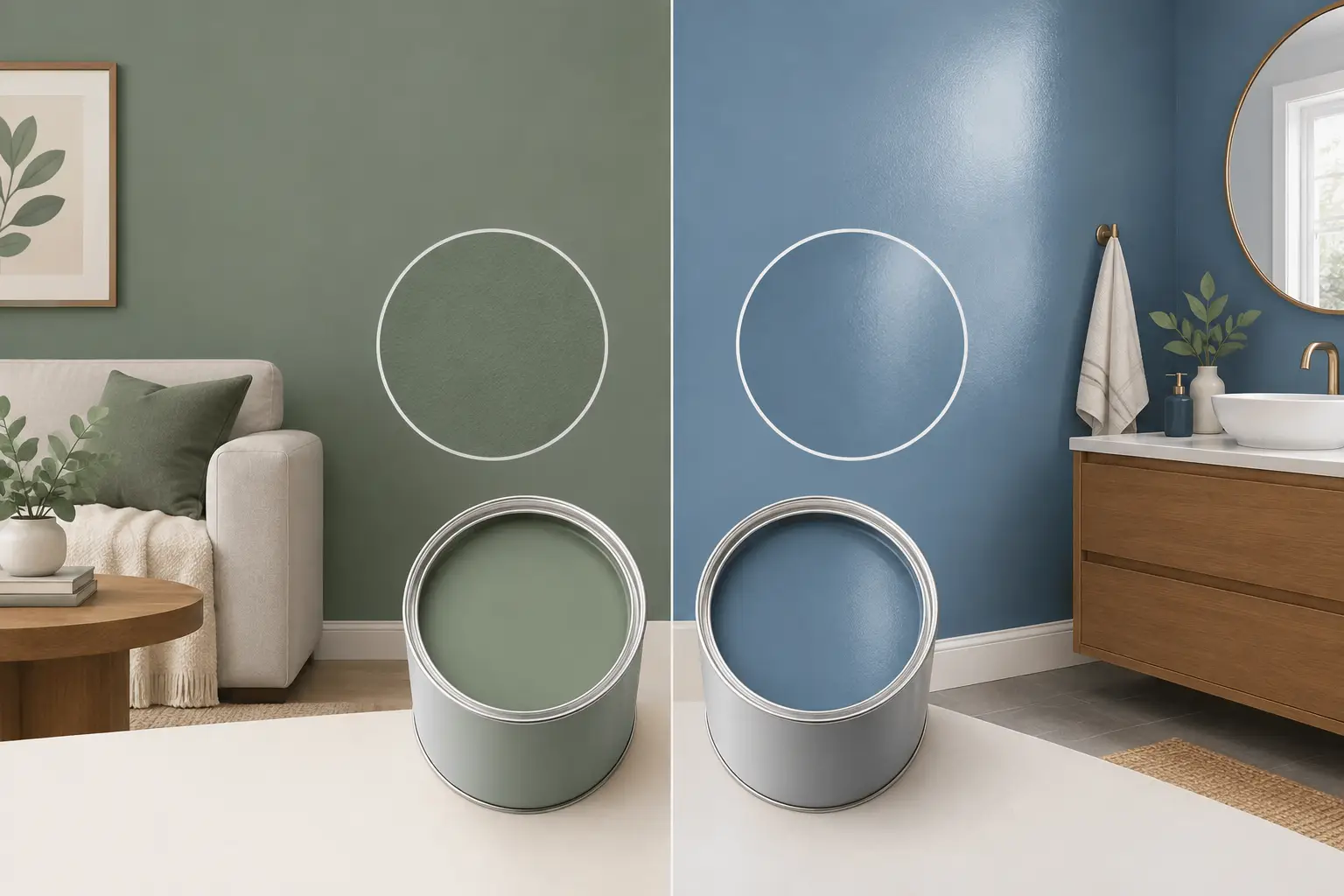
Paint sheen describes the amount of light a painted surface reflects. Matte paint has very little shine, creating a soft, non-reflective appearance. Satin paint has a gentle sheen that reflects more light without looking glossy.
That difference may sound small, but it becomes obvious once the paint dries. Matte paint gives walls a calm, smooth look and can make a room feel more refined. Satin paint has a subtle luster that can brighten a space and provide added durability, especially in areas that receive frequent use.
Neither finish is automatically better. A hallway with children, pets, or heavy traffic has different needs than a quiet bedroom with older drywall and minor surface imperfections. Choosing the right sheen starts with an honest assessment of the room.
When Matte Paint Is the Better Choice
Matte paint is often selected for living rooms, dining rooms, bedrooms, offices, and ceilings. Its low reflection helps conceal small flaws in drywall, including minor unevenness, old patch areas, nail pops, and subtle texture differences. This is especially useful in homes where walls have been repaired over the years.
Because it does not bounce much light back into the room, matte paint creates a consistent appearance across larger walls. It works particularly well with deep colors, warm neutrals, and feature walls where homeowners want a rich, smooth finish rather than visible shine.
Matte is also a practical choice after professional drywall repair or popcorn ceiling removal. Even when repairs are carefully sanded and primed, a higher-sheen paint can sometimes reveal transitions in certain lighting. A quality matte finish is more forgiving and helps the completed surface look uniform.
The trade-off is maintenance. Matte paint is generally less resistant to scrubbing than satin. Some modern washable matte products perform well, but repeated cleaning, strong cleaners, or aggressive rubbing can leave marks or change the appearance of the finish. In a low-traffic room, this is rarely a major concern. In a busy entryway, it may become frustrating over time.
When Satin Paint Makes More Sense
Satin paint is a dependable choice for spaces where walls need to withstand more contact and cleaning. It is commonly used in hallways, staircases, kitchens, bathrooms, laundry rooms, children’s rooms, and rental properties. The light sheen gives the surface a slightly more finished look while making it easier to wipe away fingerprints, scuffs, and everyday marks.
For condo owners, satin can be a sensible option in narrow corridors and entrance areas where bags, coats, shoes, and moving furniture often come into contact with walls. For landlords, it can also reduce maintenance between tenants because it stands up better to routine cleaning.
Satin paint performs well in rooms with higher humidity, although proper preparation still matters. In bathrooms and kitchens, the wall surface should be clean, dry, and properly primed before painting. Paint alone cannot solve moisture problems, peeling drywall tape, or water damage. Those issues should be repaired first so the new finish has a sound surface to adhere to.
The main drawback of satin is that it reflects more light. That reflection can make dents, uneven patches, poor sanding, and roller marks easier to see. On damaged or poorly prepared drywall, satin may highlight the very issues the paint job is meant to improve.
Choose the Finish Based on the Room
The best paint sheen often changes from one room to the next. Using one finish throughout an entire home can simplify the project, but it is not always the most practical solution.
Matte is usually well suited to bedrooms, formal living areas, ceilings, and rooms with repaired drywall that benefit from a softer finish. It is also a strong option for larger walls with lots of natural or directional lighting, since lower sheen reduces glare and hides minor surface variation.
Satin is usually the better fit for hallways, busy family spaces, kitchens, bathrooms, mudrooms, and children’s bedrooms. These rooms tend to need regular touch-ups or cleaning, and satin provides better resistance to wear.
For trim, doors, and baseboards, many homeowners choose a finish with more sheen than the walls, such as satin or semi-gloss. This creates a clean contrast and makes the trim easier to maintain. However, the surface must be properly prepared because higher sheens show brush marks, dents, and old paint buildup more readily.
Lighting should also influence the decision. A wall can look smooth in daytime and reveal every imperfection at night when overhead lights or lamps shine across it. This is common in condo units with strong pot lights and in rooms with large windows. Before selecting satin, consider whether the wall has visible repairs or side lighting that may expose texture differences.
Surface Preparation Matters More Than Sheen
The quality of the preparation has as much impact as the paint finish itself. A satin paint job on properly repaired, sanded, and primed drywall can look clean and durable. The same paint applied over rough patches, damaged tape, or uneven texture will only draw attention to those problems.
Professional preparation typically includes repairing cracks and holes, securing loose drywall tape, applying compound in thin coats, sanding the area smooth, and priming repairs before the finish coats are applied. When a ceiling has had popcorn texture removed, careful skim coating and sanding are especially important. A smooth ceiling needs even preparation before any paint can make it look right.
Paint application also affects the final appearance. Proper roller selection, consistent coverage, clean cut lines, and adequate drying time help prevent flashing, lap marks, and uneven sheen. This level of detail matters most with satin paint, but it improves every finish.
Consider Long-Term Maintenance Before Deciding
A homeowner who prefers the look of matte paint may still choose it in a hallway if they are comfortable with occasional touch-ups. Another homeowner may choose satin throughout a rental unit because easy cleaning is the priority. Both decisions can be right when they match the property’s needs.
It is also worth considering paint color. Dark colors in satin can show streaks and touch-up differences more than lighter shades. Matte finishes often make dark colors look deeper and more even, but they may be harder to clean. In high-contact areas, a medium or lighter color in satin is often the most forgiving combination.
For homes being prepared for sale, neutral matte paint can create a clean, updated look in main living areas, while satin in kitchens, bathrooms, and hallways provides practical durability for showings and move-in. The goal is not to use the same sheen everywhere. It is to create a finished result that looks good and holds up to the way the property is used.
If you are planning interior painting after drywall repairs, a professional assessment can help prevent the wrong finish from emphasizing existing wall issues. Maximum Services helps Toronto and GTA homeowners choose practical paint finishes, complete repairs properly, and leave the space clean when the work is done.
The right sheen should make your walls easier to live with, not give you another maintenance problem. Choose matte where a smooth, understated appearance matters most, and use satin where daily wear calls for a finish that can handle it.
No responses yet