
A room can have the right furniture, lighting, and decor and still look unfinished because the walls tell a different story. Nail pops, drywall cracks, patched holes, uneven textures, yellowed ceilings, and tired paint all draw attention away from the space you are trying to create. Good interior design begins with the condition of the surfaces around you.
For homeowners, condo owners, and landlords, this is often the most practical place to start. Repairing and refinishing walls and ceilings can make a living space feel cleaner, newer, and more intentional without the cost or disruption of a full renovation. The key is to make decisions in the right order: address damage first, choose finishes that suit the room, and hire professionals who prepare the space properly before painting.
Interior Design Starts Before the Paint Goes On
Paint color gets most of the attention, but surface preparation determines whether the finished room looks polished. A freshly painted wall will not hide a poor drywall repair. In fact, certain paint sheens and natural light can make dents, seams, and uneven patches more visible.
Before choosing colors, look closely at the room during the day and at night. Check for cracks near doors and windows, old anchor holes, loose tape at drywall joints, water stains, and areas where previous repairs have sunk or bulged. In condos, small wall damage is common after moving furniture, mounting televisions, or changing shelving. In older homes, settling and repeated seasonal changes can leave visible cracks that need proper attention.
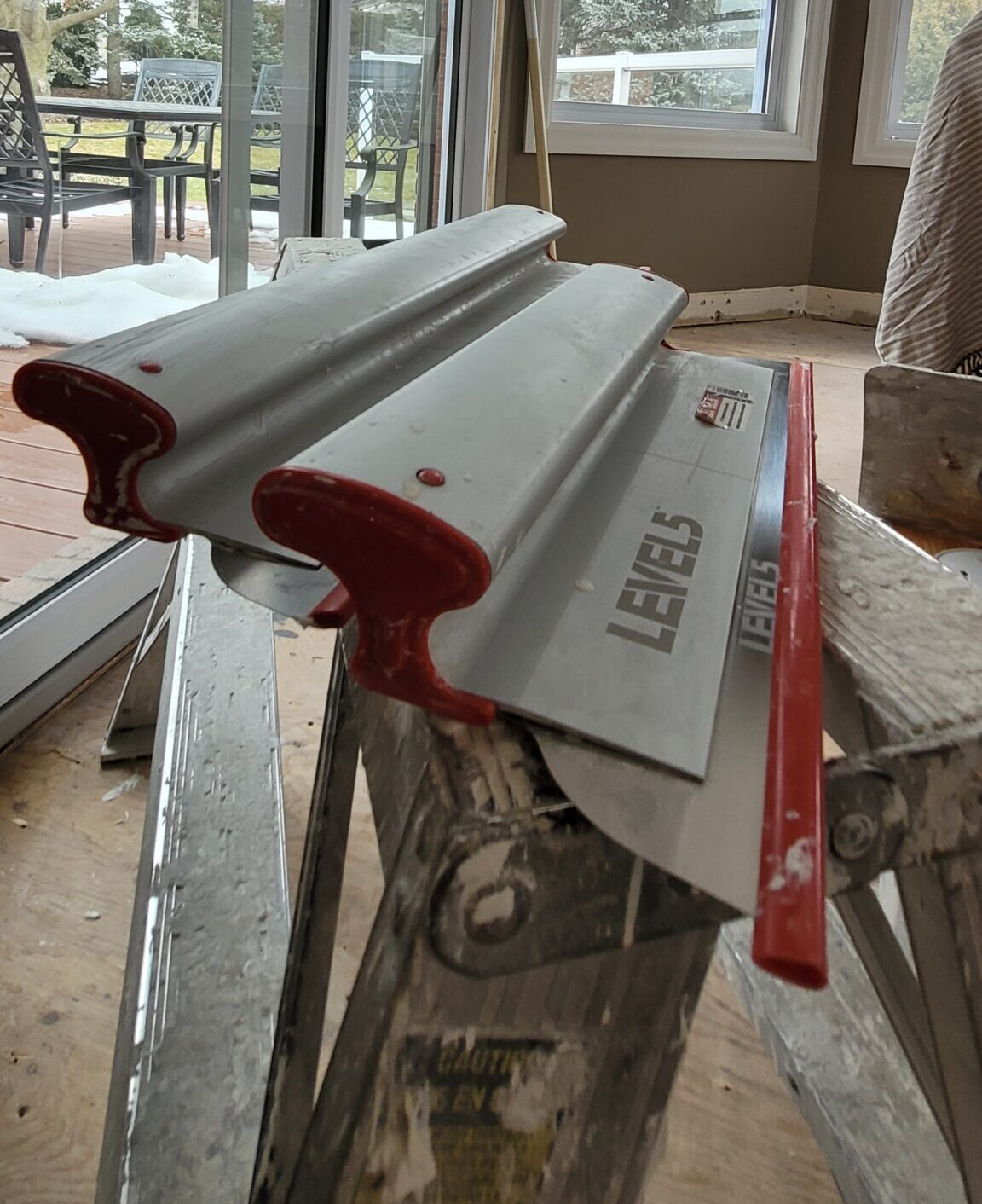
A professional repair typically involves more than filling a hole. The damaged area may need to be stabilized, patched, taped, skim coated, sanded, primed, and blended into the surrounding wall. Each step affects the final appearance. Rushing the repair can leave a visible outline under fresh paint, especially on large open walls or beside windows.
Ceilings deserve the same consideration. A stained or textured ceiling can make an otherwise updated room feel dated. Popcorn ceiling removal is a popular choice when homeowners want a cleaner, more modern look, but the work must be handled carefully. Once texture is removed, the ceiling may require repairs and skim coating to create an even surface ready for primer and paint.
Choose Color for the Room You Actually Use
Interior design should support daily life, not just look good in a photo. The best paint color depends on the room’s light, size, use, and existing finishes. A shade that looks warm and welcoming in a bright south-facing living room may feel dull in a hallway with limited natural light.
Start with the fixed features you are keeping. Flooring, cabinetry, countertops, tile, and large furniture pieces all influence how a color reads. If your floors have warm undertones, a cool gray wall color may clash or make the space feel disconnected. If a condo has crisp white cabinetry and pale flooring, a soft neutral can keep the space open without making it feel sterile.
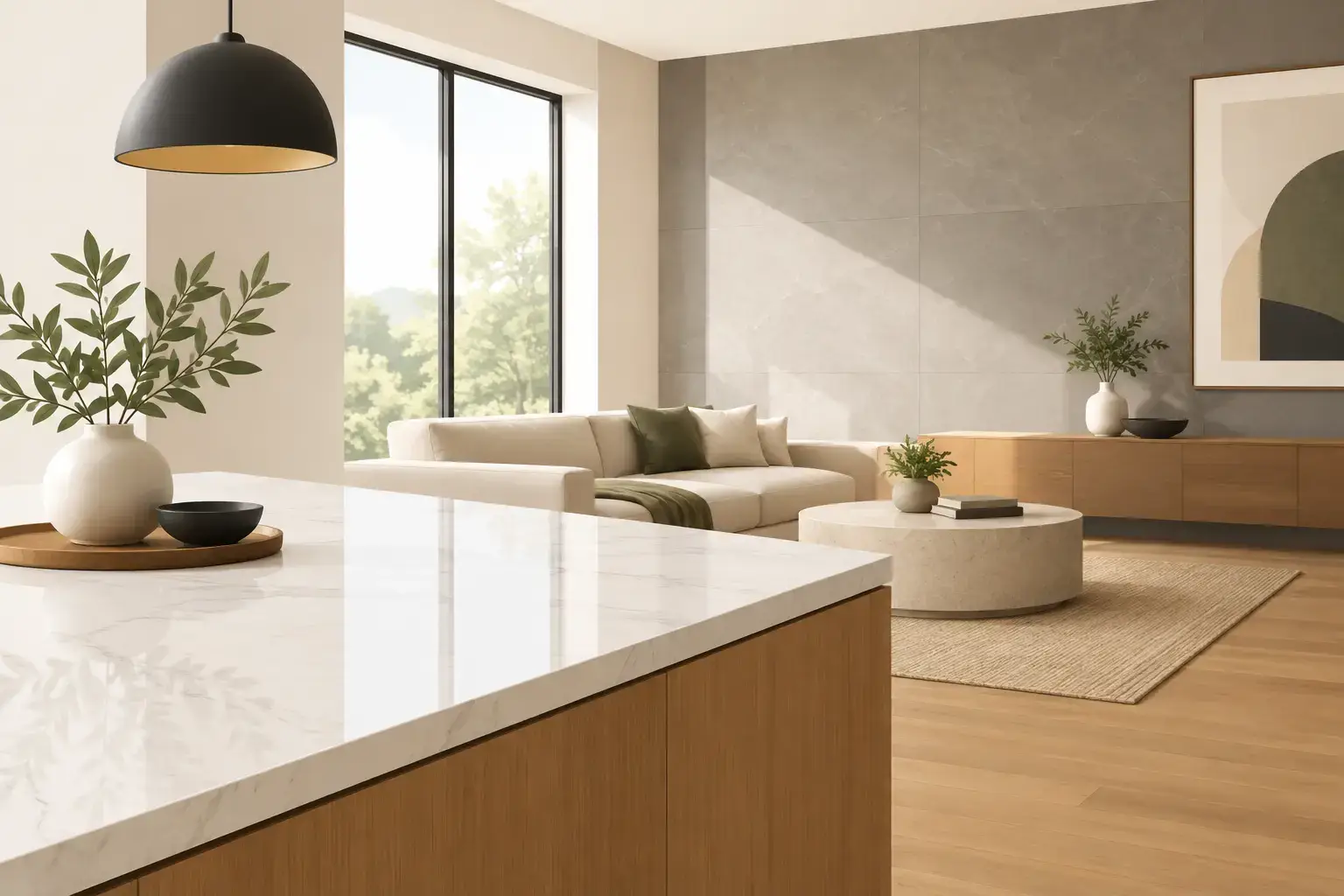
For main living areas, many property owners choose warm whites, soft beiges, light greiges, or muted taupes because they work with a range of furniture and are easier to live with over time. These colors also appeal to potential tenants or buyers when a property is being prepared for the market. Neutral does not have to mean flat. The right undertone can add depth while keeping the room calm and flexible.
Bedrooms can handle more personal choices. Soft blue, muted green, warm clay, and deeper neutrals can create a restful atmosphere when balanced with appropriate lighting. Bathrooms and laundry rooms often benefit from lighter colors that reflect available light, particularly when there are no windows. In a small room, a darker color is not automatically wrong, but it should be intentional. It can create a cozy, dramatic effect, while light colors generally make boundaries feel less pronounced.
Always consider the paint finish along with the color. Flat finishes can help reduce the appearance of minor wall imperfections, but they may be less washable. Eggshell and satin finishes are common choices for walls because they offer more durability and are easier to clean. Semi-gloss is often used on trim, doors, and areas that receive frequent handling. The right choice depends on the condition of the surface and how the room is used.
A Cohesive Home Does Not Need One Color Everywhere
Using one wall color throughout a home can create continuity, especially in an open layout. It is also a practical choice for landlords and homeowners who want straightforward touch-ups later. Still, every room does not need to match exactly.
A connected color palette usually works better than a single repeated shade. For example, a warm neutral in the hall and main living area can transition to a slightly deeper neutral in a bedroom or office. Trim color can remain consistent to tie the rooms together. This approach gives each space its own character without making the home feel fragmented.
Accent walls can work when they have a reason. A wall behind a bed, fireplace, built-in shelving, or dining table may be a natural focal point. Randomly selecting one wall for a bold color can feel dated or accidental. The surrounding wall condition matters as well: a feature wall needs especially careful preparation because contrast and lighting make flaws easier to see.
Ceiling and Trim: The Details That Define the Room
Ceilings and trim are often treated as afterthoughts, but they have a strong effect on how finished a room feels. A clean ceiling creates a visual break above the walls and can make the entire space appear brighter. Standard ceiling white remains a reliable choice, particularly in rooms with average ceiling height. In some homes, using a softer white rather than a stark bright white creates a more balanced result with warm wall colors.
Trim, baseboards, doors, and casings frame the room. When they are scuffed, chipped, or yellowed, even recently painted walls can look incomplete. Repainting trim can provide a noticeable upgrade, but it requires careful prep. Old caulking may need to be removed or repaired, nail holes filled, surfaces sanded, and edges protected for clean lines.
There is a trade-off to consider. Painting trim and doors adds time and cost, particularly if they have multiple layers of old paint or detailed profiles. However, when walls are being refreshed after several years, including the trim often delivers the more complete result. It is especially worthwhile in entryways, living rooms, hallways, and rental units where first impressions matter.
Plan the Work to Minimize Disruption
A good interior update should improve your space without turning your home into a long-term work zone. Planning makes a difference. Decide which rooms can be completed while you are living in the home, which furniture needs to be moved or covered, and whether the work should be done in phases.
For a condo, confirm building rules before scheduling work. Many buildings have requirements for elevator bookings, service hours, disposal, and contractor insurance. For rental properties, coordinate access clearly and allow enough time for repairs, drying, and painting between tenants. A quick turnaround is valuable, but skipping prep to save a day can lead to a finish that does not hold up.
When requesting a quote, be clear about the visible issues and the outcome you want. Mention cracks, water marks, holes, popcorn texture, damaged corners, or previous repairs that need correction. Photos can help establish an initial scope, but an on-site assessment is often the best way to identify surface concerns that may affect the estimate.
Ask what preparation is included, how surrounding areas will be protected, and how cleanup will be handled. Reliable workmanship includes respect for the home: careful masking, dust control, organized materials, and a clean space at the end of the job. A lower price is not always the better value if it leaves you with uneven repairs, missed details, or additional cleanup.
Make the Finish Last
Once the work is complete, give fresh paint the care it needs. Paint can feel dry quickly, but it takes longer to fully cure. Avoid washing new walls right away, and use a soft cloth with mild soap when cleaning is necessary. Keep leftover paint labeled by room, color, and finish for future touch-ups.
Pay attention to recurring damage, too. A crack that reappears, staining that returns, or peeling paint can point to an underlying moisture or movement issue. Cosmetic repairs are valuable, but they should not be used to ignore an active problem. Address the cause before investing in another finish coat.
The most successful interior design choices are often the ones people notice without being able to name. Smooth walls, clean ceiling lines, consistent trim, and well-chosen color create the background that lets the rest of your home feel settled. Start with the surfaces, choose finishes that fit how you live, and let careful workmanship carry the room from simply painted to properly finished.
No responses yet