
A wall can look clean from across the room and still show every repair once fresh paint goes on. That is why the choice between skim coating vs drywall patching matters. Both services improve damaged walls, but they solve different problems. Choosing the right one helps avoid visible seams, uneven texture, and the disappointment of a repair that stands out after painting.
For homeowners, condo owners, and landlords, the decision usually comes down to the condition of the wall, not just the size of one mark. A small nail hole needs a different approach than a room with old repairs, surface cracks, or a patchy wall texture. An experienced drywall professional evaluates the full surface before recommending the work.
What drywall patching is designed to fix
Drywall patching is a targeted repair. It addresses a specific damaged area while leaving the rest of the wall intact. Common examples include dents from moving furniture, nail and screw holes, door-handle impacts, cracks near doors or windows, water-damaged sections, and holes left behind after removing wall-mounted items.
The process depends on the damage. Small holes may need compound, sanding, and careful priming. Larger holes often require a new piece of drywall, backing support, tape, several coats of compound, sanding, and texture matching where needed. A proper patch is built up in thin layers so the repaired area sits flush with the surrounding wall.
Patching is often the practical choice when damage is isolated and the existing wall is otherwise smooth and sound. It keeps the repair focused, controls cost, and prepares the affected area for painting. The key is blending the edges far enough beyond the damaged spot that the repair does not create a raised outline under the new paint.
When patching is the better option
Drywall patching generally makes sense when there are only a few areas of damage. For example, a bedroom may have several picture-hanging holes and one dent near a closet door, but the walls are in good shape overall. Repairing and repainting those specific spots is usually more efficient than refinishing every wall.
It is also appropriate after plumbing or electrical access work, provided the opening has been closed properly and any moisture issue has been resolved. If water damage caused the opening, the source of the leak must be repaired first. Covering damaged drywall without addressing moisture can lead to recurring stains, soft drywall, or mold concerns.
What skim coating does differently
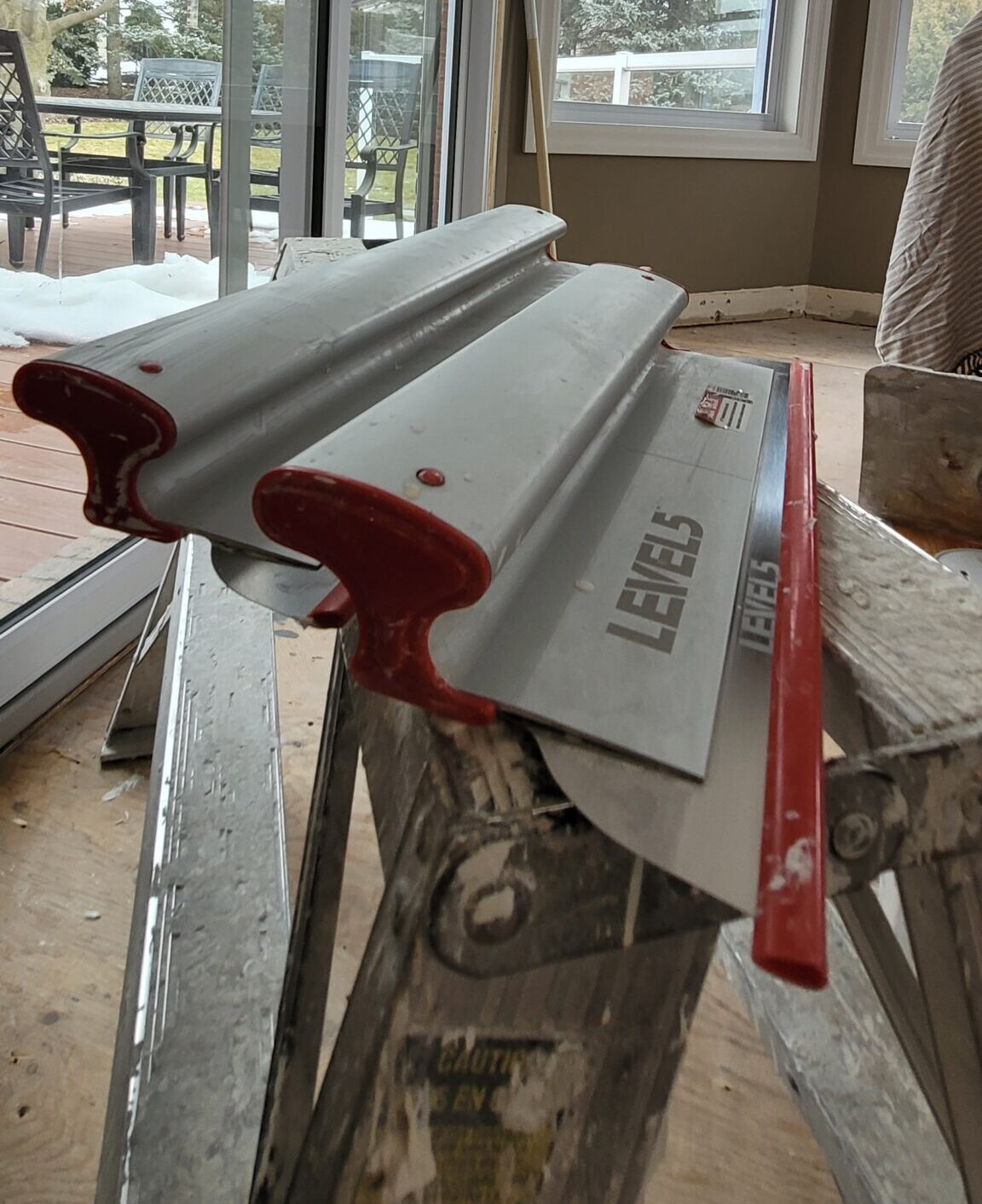
Skim coating is a surface-finishing process used to improve the appearance of a larger wall or ceiling area. A drywall professional applies one or more thin coats of joint compound across the surface, then sands and prepares it for primer and paint. The goal is not simply to fill a hole. It is to create a more uniform, smooth finish.
This approach is useful when a wall has widespread imperfections that patching alone would not solve. These can include numerous old repairs, uneven joint compound, visible tape lines, shallow texture, rough areas after wallpaper removal, poor previous paint preparation, or minor surface damage across an entire room.
A skim coat can also be part of a larger update after popcorn ceiling removal. Once an old ceiling texture is removed, the surface may need substantial finishing before it is ready for paint. Skim coating helps create the clean, modern appearance many homeowners want in living rooms, bedrooms, hallways, and condo spaces.
When skim coating is the better option
Skim coating is usually worth considering when the wall looks inconsistent in several places, especially under bright light. Natural daylight, pot lights, and side lighting can reveal patch edges, ripples, and surface texture that are easy to miss during a quick inspection.
It may also be the right solution when a homeowner wants to repaint a room but is unhappy with the wall quality beneath the existing paint. Applying another coat of paint will improve color, but it will not hide poorly finished seams, roller texture, old patch marks, or uneven drywall work. Paint often makes those flaws more noticeable.
For condo owners, skim coating can be especially useful after removing outdated wall finishes or repairing multiple areas caused by previous installations. A consistent, paint-ready surface can make a smaller room feel cleaner and better maintained without changing the layout.
Skim coating vs drywall patching: the main differences
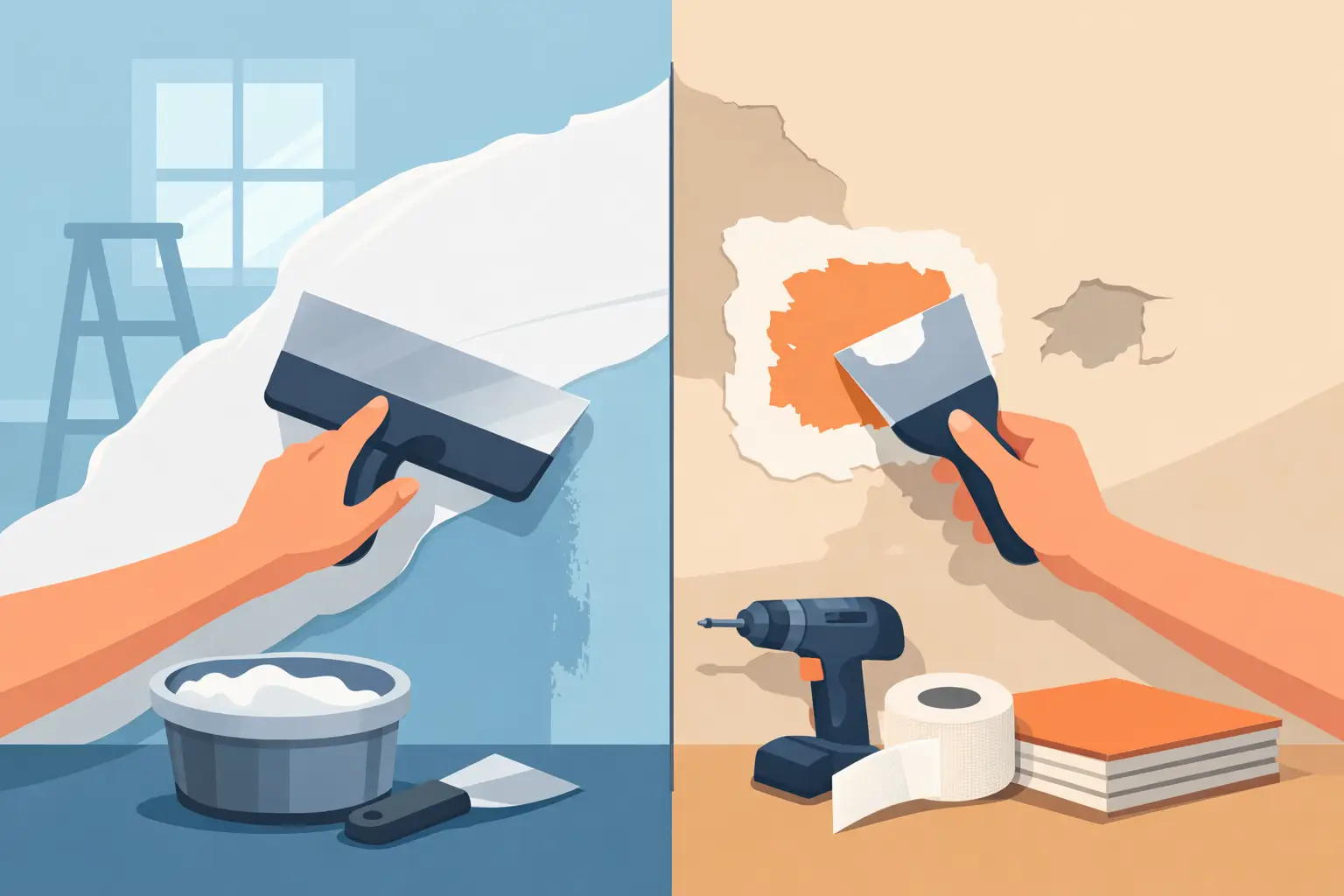
The biggest difference is scope. Drywall patching repairs defined damage. Skim coating refines the appearance of a broader surface. In some projects, the best answer is both: patch the damaged areas correctly first, then skim coat the wall or ceiling to ensure a consistent finish.
Cost also varies based on the amount of preparation and finishing required. A few small patches generally take less labor and material than skim coating an entire room. However, repeatedly patching a wall with many flaws may not provide the cleanest result. At a certain point, a skim coat can be the more sensible investment because it addresses the full surface rather than chasing one issue at a time.
Drying time is another consideration. Quality drywall finishing is a multi-step process. Compound needs time to dry between coats, and proper sanding and priming cannot be rushed without risking visible imperfections. A professional can plan the work efficiently, protect nearby areas, and schedule painting once the surface is truly ready.
Neither option should be chosen based only on the damaged spot. The surrounding wall condition, lighting, desired paint finish, and age of previous repairs all affect the right approach.
Why paint preparation changes the result
Drywall repair and painting are closely connected. Even a technically sound repair can look poor if it is not sanded smoothly, primed properly, and painted with attention to sheen and coverage. Flat paint can hide some minor imperfections, while eggshell, satin, and higher-sheen finishes reflect more light and can expose uneven surfaces.
Primer is particularly important over fresh joint compound. It helps create an even base so repaired areas do not absorb paint differently from the rest of the wall. Without proper priming, patches can flash through as dull or uneven spots after the paint dries.
Professional preparation also includes protecting floors, furniture, and adjacent surfaces from dust. Sanding drywall compound creates fine dust that can travel beyond the immediate repair area. Clean containment and cleanup are part of a well-managed repair job, especially in occupied homes and condos.
Signs you need more than a simple patch
A small repair may be enough, but some conditions call for a broader assessment. Repeated cracking in the same location, soft or stained drywall, loose tape, bulging seams, or a wall that appears uneven from one end to the other should not be treated as routine cosmetic damage.
Cracks can result from normal building movement, but they can also point to poor tape adhesion or a repair that was not completed correctly. Water stains may indicate an active or previous leak. In these cases, the underlying cause should be considered before finishing the wall. A clean-looking surface is valuable, but a lasting repair is the real goal.
Choosing the right finish for your home
The right choice is rarely about using the most extensive service. It is about matching the repair to the condition of the wall and the finish you expect after painting. Isolated holes and dents usually call for drywall patching. Walls with widespread flaws, uneven texture, or several old repairs may benefit from skim coating.
At Maximum Services, the focus is on assessing the surface honestly, completing the preparation carefully, and leaving the space clean and ready for a finished look. If you are planning interior painting or dealing with visible wall damage, a professional assessment can prevent a small issue from becoming a repair you notice every day.
Fresh paint looks its best on a properly prepared surface. Taking the time to repair the wall the right way gives the room a smoother finish and a result you can feel good about long after the work is complete.
One response
[…] years can affect the final result. Sometimes a localized patch is appropriate. In other cases, a wider skim coat or repainting the full wall is the more practical choice for a uniform […]