
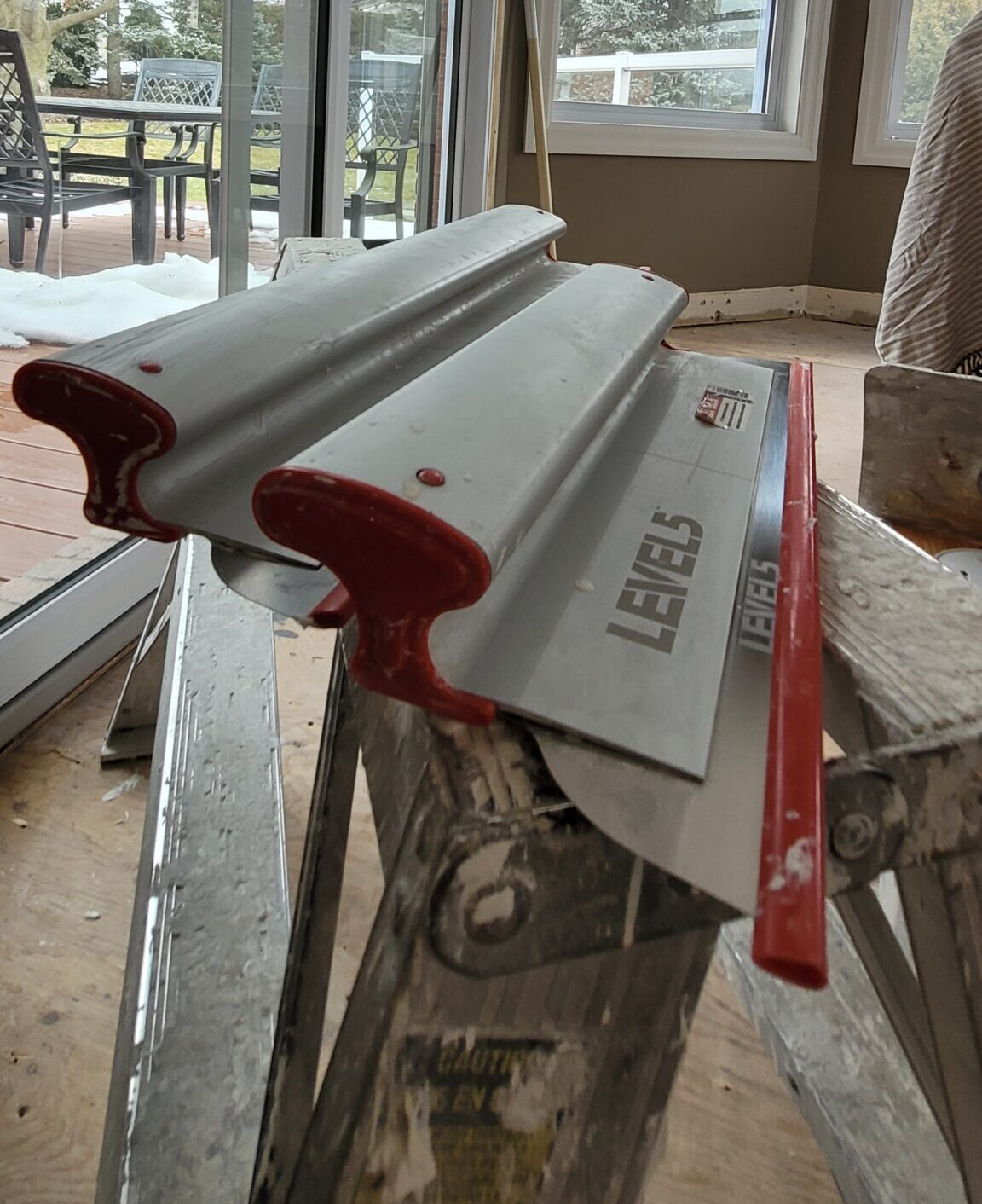

A fresh coat of paint can make a room feel clean and well maintained, but the paint itself is only part of the result. Professional interior painting starts with the surfaces underneath. Nail holes, drywall cracks, dents, stains, uneven patches, and poorly repaired areas can remain visible through even the best color if they are not handled properly first.
For homeowners, condo residents, and landlords, painting is often the final step after everyday wear, a move, water damage repair, tenant turnover, or a larger renovation. The goal is not simply to cover a wall. It is to restore a finished appearance that looks consistent, clean, and ready to live in.
Why Surface Preparation Matters in Interior Painting
The most noticeable painting problems usually begin before the first coat is applied. A wall may look acceptable from across the room, but side lighting can reveal old patchwork, raised tape joints, rough sanding marks, or small cracks around doors and windows. These details stand out even more after a new coat of paint adds color and sheen.
Proper preparation includes assessing the condition of the drywall, repairing damaged areas, sanding patched sections smooth, and priming where needed. Stains, repaired drywall, and different wall textures may absorb paint differently. Without the right preparation, the final finish can look uneven even when the color choice is right.
Ceilings need the same attention. Water marks, minor cracks, peeling areas, and previous repairs should be addressed before painting. If a home still has outdated popcorn ceilings, removal and surface finishing may be the better choice before the painting work begins. It depends on the condition of the ceiling, the desired look, and the level of disruption the property owner is prepared for.
What a Professional Interior Painting Project Should Include
A dependable painting service should make the process easier, not create another project for the homeowner to manage. That starts with a clear assessment of the space and a straightforward quote based on the work required.
Before painting begins, furniture and floors should be protected, fixtures and trim should be carefully masked where appropriate, and the work area should remain organized. Clean job sites matter, especially in occupied homes and condos where families, pets, and daily routines still need space to function.
The work should also follow a logical order. Repairs and sanding are completed before primer and finish coats. Ceilings are generally addressed before walls, while trim, doors, and detailed areas are finished with the care needed for clean lines. Rushing between these stages can lead to missed repairs, paint splatter, lap marks, and an inconsistent finish.
A professional team also knows when a problem needs more than paint. A recurring crack may indicate movement in the drywall or framing. A stain may need stain-blocking primer. Peeling paint can point to moisture, poor adhesion, or a previous coating that was not properly prepared. Painting over these issues may offer a temporary improvement, but it rarely provides the lasting result property owners expect.
Choosing Paint Colors and Finishes for Real Life
Color has a major impact, but it should be chosen with the room’s light, purpose, and existing finishes in mind. A shade that looks warm and soft in a store can appear cooler in a north-facing room or more intense under bright LED lighting. Testing a sample in the actual space is often worthwhile, particularly for large rooms or open-concept areas.
Neutral colors remain a practical choice for condos, rental units, hallways, and homes being prepared for sale. They help rooms feel brighter and give future owners or tenants more flexibility. That does not mean every room must be white or beige. Bedrooms, powder rooms, offices, and accent walls can be good places for deeper or more personal colors when they suit the homeowner’s style.
The paint finish matters just as much as the color. Flat finishes can help hide minor wall imperfections, making them useful for ceilings and some low-traffic areas. Eggshell and satin finishes are popular for living areas, bedrooms, hallways, and family spaces because they offer a light sheen and are easier to clean. Semi-gloss is often used for trim, doors, kitchens, and bathrooms where durability and washability are important.
There is a trade-off with shinier finishes. They are easier to wipe down, but they also reflect more light and can expose uneven drywall repairs. In a room with older walls or noticeable surface flaws, careful repair work becomes even more important before using satin or semi-gloss paint.
When Drywall Repairs Should Come First
Many interior painting jobs involve at least a few minor repairs. Picture hooks, moving damage, furniture scuffs, door handle impacts, and settling cracks are common in both houses and condos. Small issues may be simple to fix, but they still require proper filling, sanding, and priming to disappear into the wall.
Larger repairs need a more careful approach. Holes, damaged corner beads, failed drywall tape, water-damaged sections, and cracks that continue to reopen should be evaluated before painting. The repair must be stable and blended into the surrounding wall. Applying paint too soon, or without allowing repair materials to dry and cure as needed, can leave visible ridges and flashing in the finished surface.
For rental properties, completing repairs and painting together is often the most efficient option. It reduces the need to coordinate separate trades and allows the unit to be restored in one organized visit. For occupied homes, scheduling and containment are equally important. A contractor should plan the work in a way that limits disruption while still allowing enough time for proper preparation and drying.
Interior Painting for Condos, Homes, and Rental Units
Every property has different practical requirements. Condo projects may involve elevator bookings, building rules, limited staging space, and tighter work hours. A professional painter should be prepared to work neatly within those restrictions and protect common areas during access.
In family homes, the priority may be minimizing disruption to bedrooms, kitchens, or main living spaces. Working room by room can help keep the home usable throughout the project. When painting a whole home, a coordinated schedule helps prevent unfinished areas from lingering longer than necessary.
Landlords and property managers often need fast turnaround between tenants, but speed should not mean skipping repairs. Fresh paint can improve a unit immediately, yet visible damage around doors, baseboards, and high-use walls can make a property look neglected. Addressing those details protects the impression of the rental and supports a cleaner handoff to the next occupant.
Signs It Is Time to Repaint Your Interior
Interior paint does not need to be failing completely before it is time for an update. Faded walls, permanent scuff marks, yellowing ceilings, inconsistent touch-ups, peeling areas, and dated colors are all common reasons to repaint. A room may also need attention after drywall repairs, plumbing work, electrical updates, or popcorn ceiling removal.
If you are preparing to sell, repainting can be one of the most practical cosmetic improvements available. Clean, neutral, well-finished walls help buyers focus on the space rather than a list of repairs. For homeowners staying put, the value is more immediate: rooms feel cleaner, brighter, and better cared for every day.
The right time to paint also depends on the scope of work. A single bedroom with minor patching can be completed relatively quickly. A whole-home project with ceiling repairs, detailed trim, or multiple colors requires more planning. A clear quote and realistic timeline help avoid surprises.
A Better Result Comes From Careful Work
Good painting is easy to recognize when the work is finished. Walls look smooth, lines around trim are clean, repairs are difficult to spot, and the space is left tidy. Those results come from preparation, patience, and attention to the details that are easy to overlook at the start of the job.
Maximum Services has provided painting and drywall repair work in Toronto and the GTA since 2001, helping property owners restore rooms with dependable workmanship and clean, professional service. Whether the project involves a few damaged walls, a condo refresh, or a larger interior update, the best next step is a proper assessment of the surfaces and a clear plan for getting the work done right.
No responses yet